

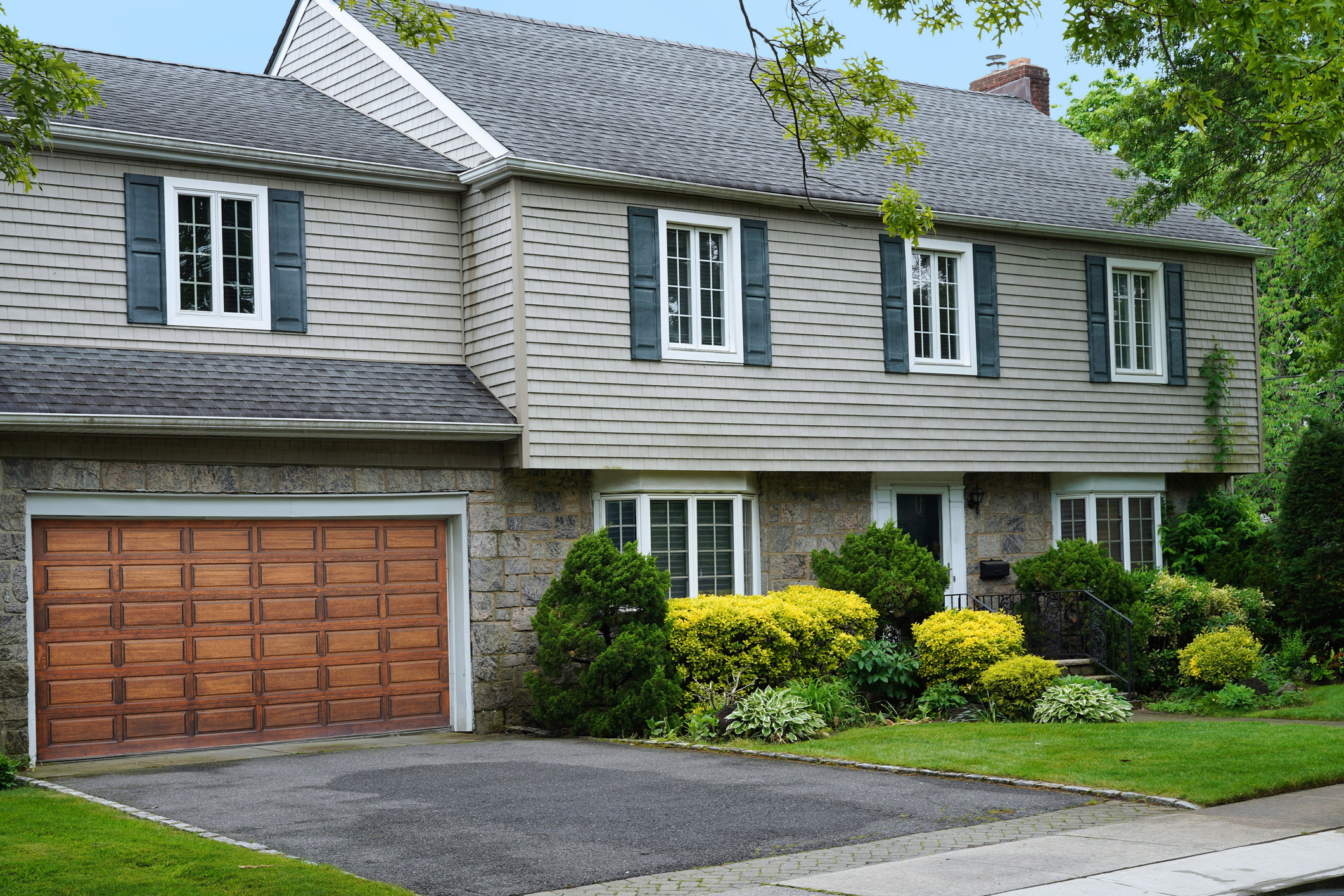
Siding has both a protective and aesthetic function. It is there to enhance the curb appeal and support the architectural style. But more importantly, the siding protects the home from weather conditions, pests, and temperature changes.
In many cases, homeowners consider this problem to be purely cosmetic. However, visible damage is often a sign of an underlying issue that spreads behind the walls.
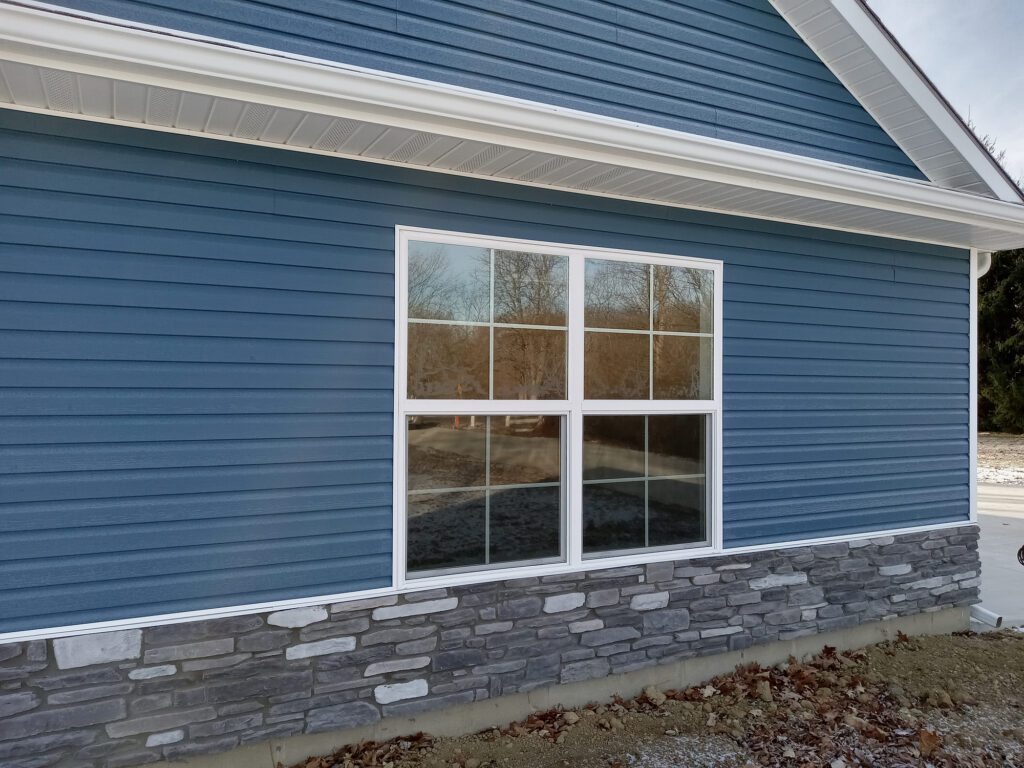
This article explains the real problems contractors encounter. The insights help you understand which issues need urgent repair to prevent costly interventions in the future.
Signs Siding Needs Replacement
Exterior Siding Damage Signs: Warping
One of the crucial damaged siding warning signs is warping. You can notice wavy or uneven panels. The boards are pulling away from the wall.
This issue is usually caused by improper installation or moisture. If the panels were installed without extra space for expansion, they warp.
Cracks and Holes
Any visible damage can indicate that the protective barrier of the panels is damaged. Even the tiniest cracks and holes provide space for moisture, insect infestation, or air leaks.
While moisture is a problem on its own, it can cause freeze-thaw cycles in cold climates. Hence small cracks should be repaired in time to avoid further damage.
Professional tip: If you notice large cracks, this may indicate aging material. So it may be best to replace the siding instead of fixing it.
Fading and Discoloration
Siding has a special surface coating that protects it from UV rays and moisture. Over time, it weakens and wears off, meaning the coating no longer serves its function. You can notice uneven fading on the sunny side and a brittle surface that leaves chalky residue upon touch.
If you notice severe fading and brittleness, this means the problem won’t go away with a fresh coat of paint. It is one of the obvious old siding problems that requires a replacement.
Higher Energy Bills
The siding helps maintain energy efficiency. It works as a connected system together with the insulation and house wrap.
For instance, a family complained about higher heating bills and the siding doesn’t show signs of damage. But the experienced team used thermal imaging to discover gaps behind the older aluminum siding.
Replacing the siding helped this family reduce the energy bills and maintain comfortable temperatures.
Mold
The surface mold might indicate an underlying moisture problem. The easiest way to tell if it is serious is to press the wood siding. If it feels soft, this indicates rotting. You can also notice dark streaks, peeling paint, and a mildew smell in your home.
It is important to inspect whether the rotting has affected the underlying framing. In such cases, replacement is necessary to avoid structural damage.
Frequent Repairs
One of the common siding aging symptoms is frequent repairs. Things like replacing panels, patching, and repainting are normal maintenance tasks. But if you do these repeatedly, this means the siding has passed its lifespan.
For reference, the expected material lifespan is:
- Vinyl: 20-40 years
- Wood: 20-30 years
- Fiber cement: 30-50 years
Interior Damage
Damaged siding lets the moisture seep in, leaving visible damage on the indoor walls. Look for the following signs:
- Peeling interior paint
- Water stains on the walls
- Bubbling drywall
- Mold
Pest Infestation
Pests can enter through the cracks in the siding. If you notice carpenter ants, termites, wasps, or rodents, this might indicate damage. Keep in mind that even the smallest cracks can be enough for insects to settle in.
Bubbling
Bubbling is a sign of trapped water. This means that the protective layer of the siding is gone, increasing the risk of rotting. In this case, it is better to replace the siding to avoid structural damage.
Severe Storm Damage
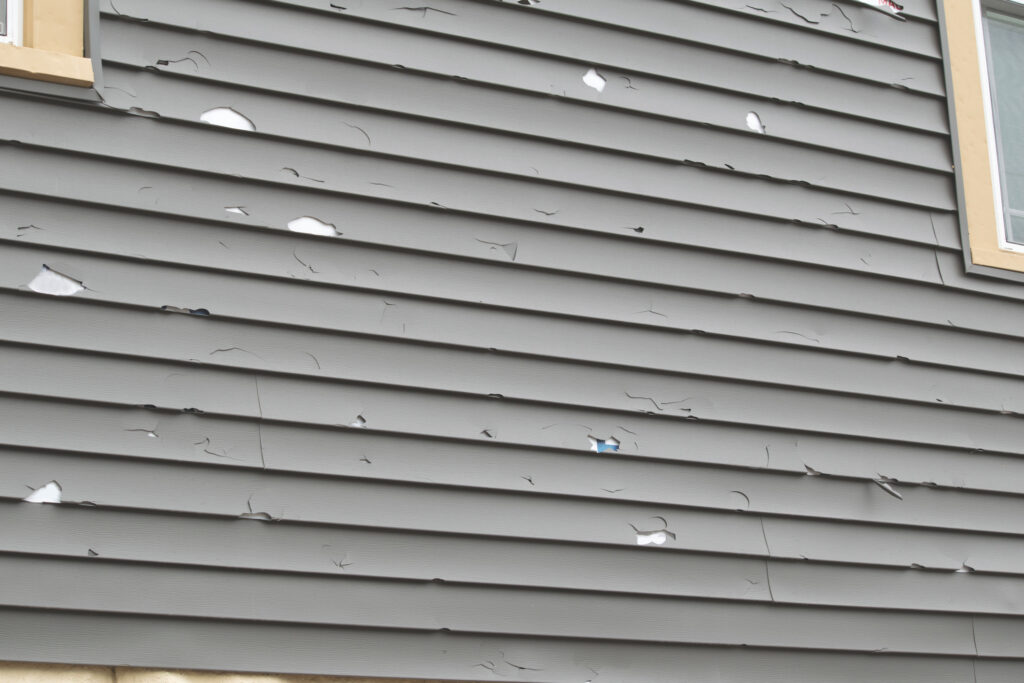
Severe storms can damage siding, so an inspection is crucial. Look for dents, cracks, and detached boards.
While you can spot the visible damage, professionals can detect hidden problems. For example, hail damage can weaken the siding without visible cracks.
Outdated Look
While protection is important, we shouldn’t underestimate the curb appeal. Old siding is negatively perceived by buyers as it looks poorly maintained. Hence, it can reduce the property value.
Updating modern siding materials brings so many benefits. Homeowners can enjoy better insulation, durability, and a wide color selection.
Siding Repair vs Replacement
Some problems can be solved with repairs, while others require siding replacement. It depends on the extent of the damage and age.
Siding Repair
Localized Damage
If one section of the siding shows cracks or dents, this often means you can get away with a simple repair.
For example, a homeowner found 3 panels blown off after a storm. The structure was in good shape, and the siding is relatively new. Our team replaced the panels only and secured the flashing.
Small Cracks
Small cracks can be patched. Unless the material is brittle and moisture is present, repair is enough.
Relatively New Siding
When the siding is properly installed and age is 15-20 years, repairs are enough. Of course, you should check for any underlying problems, but newer materials tend to maintain their protective barrier.
When to Replace Siding
Moisture Damage
Partial repairs don’t solve the moisture problems. The water damage can extend into the sheathing due to damaged flashing, resulting in structural integrity problems.
Repeated Repairs
Frequent patching might indicate the siding material is near the end of its lifespan. It has served its function for many years, and its protective barrier is worn off.
When frequent repairs add up, a full replacement is more feasible.
Old Siding
If the siding is nearing or passing its lifespan, it is time for replacement. As we already explained, each material has a lifespan, even though it was well-maintained.
Benefits of Replacing Siding
Siding replacement is an important investment that pays off in the long run. It protects your home from moisture, preventing water damage that is costly to repair.
Modern siding materials provide energy efficiency. They reduce heat loss in the winter and maintain temperature control during the summer. The HVAC system won’t overwork to maintain optimal temperatures, which lowers the energy bills.
Next, updated siding increases the property value. It signals a properly maintained home. This makes the property more appealing to the buyers.
Also, we understand that the regular maintenance routine takes up your precious time. Modern materials are durable and low-maintenance, so there is no need for repainting.
Final Take
At a certain point, the old siding problems can’t be repaired anymore. A new siding made of modern materials protects the house, enhances curb appeal, and reduces the maintenance needs.
Homeowners who aren’t sure about the siding aging symptoms should ask for help from professionals. Schedule your inspection with us to determine if repair or replacement is the right solution.