

The Most Common Roofing Problems Homeowners Face (And How to Prevent Them)
Do you own a house in Northern Virginia ( or anywhere else)? If yes, chances are you don’t think much about your roof until something goes wrong. That’s how most people are. But do you know small roofing issues can sneak up on you? Be it a few shingles going missing or tiny leaks showing by the chimney. If these problems are ignored from the start they can turn into bigger and expensive repairs in no time.
Today we will go over some of the most common roofing problems homeowners face in Northern Virginia. What usually causes them? How to prevent them? And when it’s time to call a professional.
Leaks and Water Damage – The #1 Problem
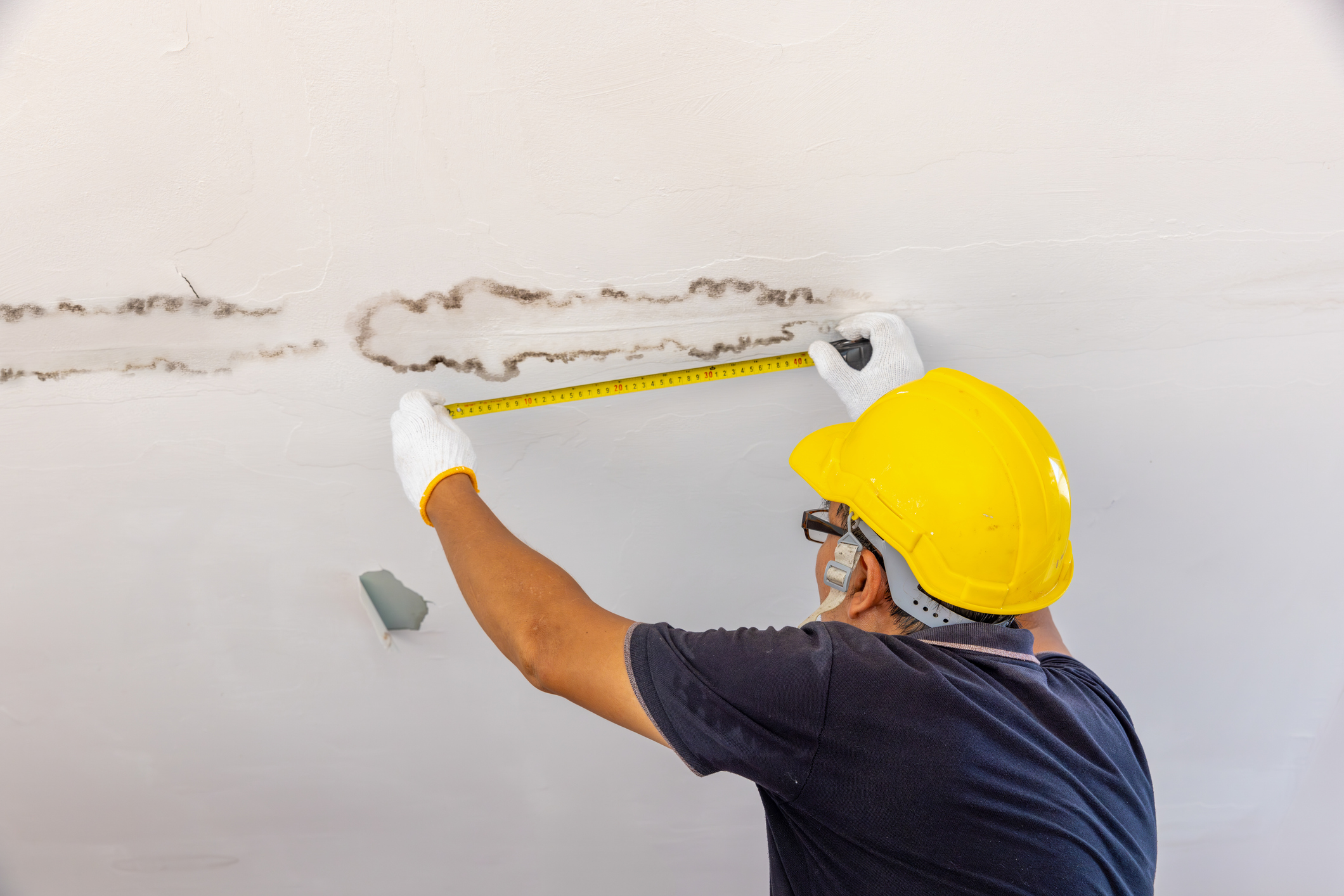
Water is the strongest enemy of the roof and also the most persistent one. A tiny drip can look harmless at first. But eventually, it will get through to the ceiling and cause damage. At times, even the growth of molds.
In Northern Virginia, the combination of snow and ice during winter and heavy rains in spring makes your roof more prone to leakage, especially if you have old roofing.
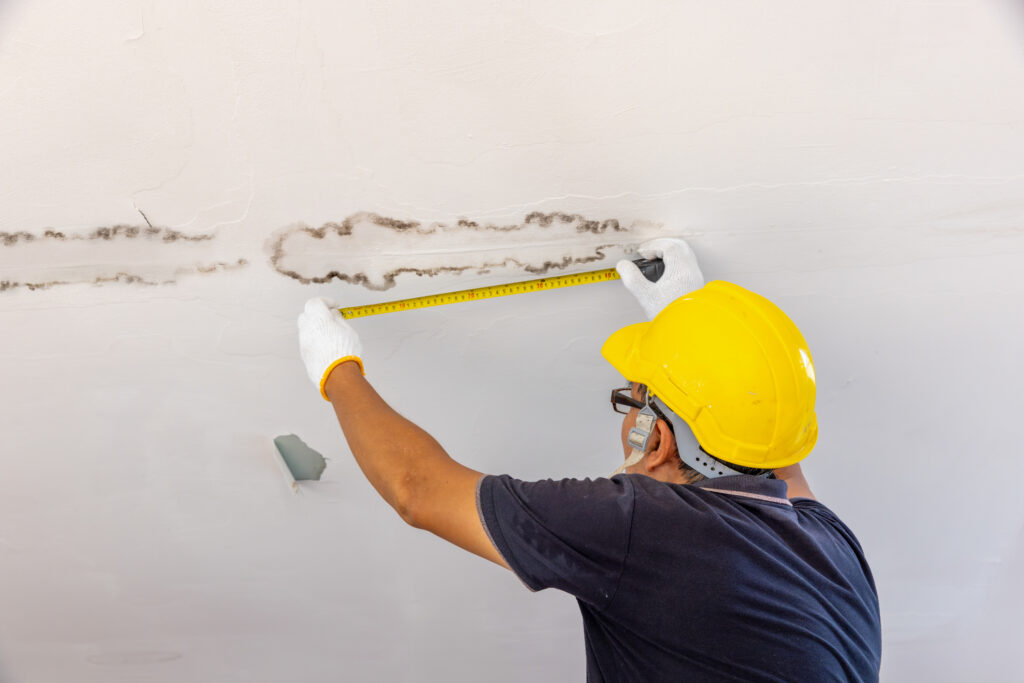
One important thing to remember is: inspections. Inspections should be regular as they help you identify any forthcoming problems.
It’s always good to take a quick look around your house and see if any shingles are missing or if the gutters are sagging, or if any water puddles are flat on the roof. Especially after a storm or harsh weather episode. Treating the leak quickly prevents widespread structural damage and expensive repairs.
Damaged or Missing Shingles
Shingles are the primary protection layer covering the roof to shield it from rain, sun, and wind. Eventually, Northern Virginia’s hot summers and freeze-thaw winters may cause shingles to crack, curl or at times even break-off.
However, missing shingles are another problem altogether. Missing shingles are an open invitation for moisture to get in and damage the roof deck.
How can you protect your shingles?
Keep an eye on your shingles often, particularly after storms, replacing the broken or uncovered ones right away to preserve your roof’s structure and integrity. Good quality shingle selection and proper setup will give your roof higher resistance to extreme weather, thus making your house a safe and secure place for many years to come.
Ice Dams
Ice dams are small puddles of ice that appear when heat escapes from the attic and melts snow on the roof, which then refreezes at the eaves. It’s like a pool on the roof.
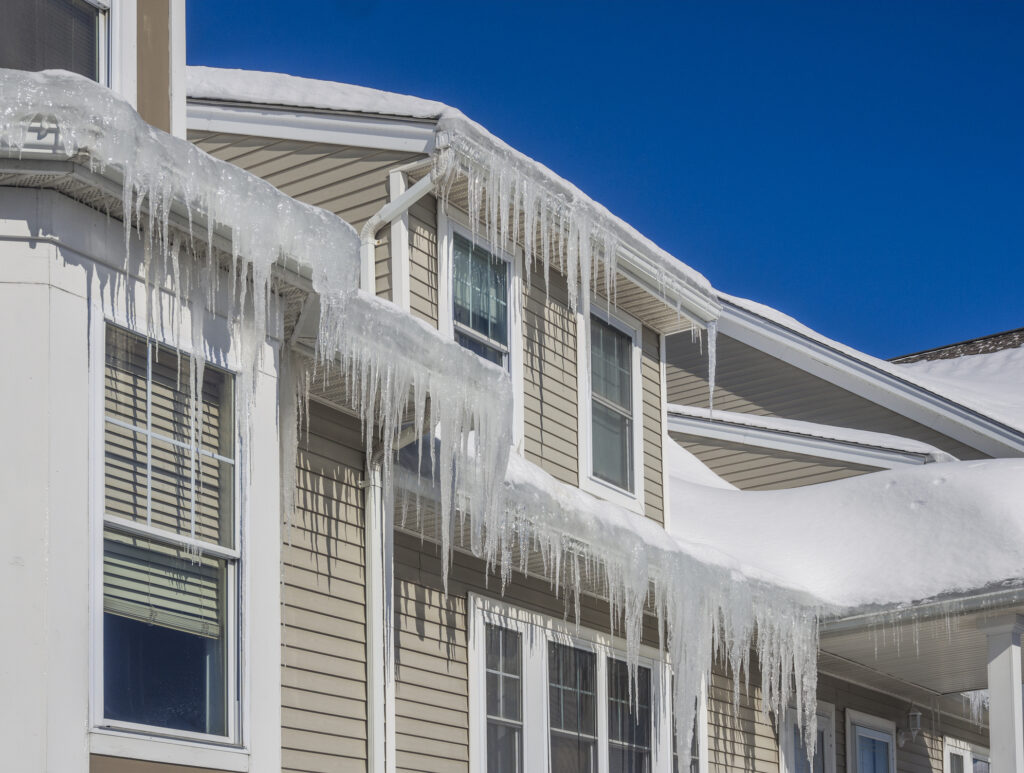
When water gets trapped up there, it may find its way under your shingles and to the roof deck, insulation, or interior ceilings. In Northern Virginia, especially where the temperature oscillates in the wintertime, you get that freeze-thaw, freeze-thaw over and over again.
Ventilation and Insulation Issues
Your roof is more than shingles and underlayment. It’s a system. Poor attic ventilation traps in all the heat and moisture. This accelerates shingle deterioration and increases the chances of mold.
Inadequate insulation helps hot air to escape in winter, which worsens the ice dam formation, and traps heat in the summer. This can result in warping shingles.
Here’s how you can maintain a healthy roofing system.
Leave vents open and unblocked. Also make sure that attic insulation is at the correct thickness. So that air circulation is reduced, and heat lost during the winter is not a problem for your shingles.
After all, proper ventilation not only prevents the roof from decaying but also contributes to energy conservation and enhanced comfort for all.
Poor Gutters Can Be A Roofing Problem
Gutters are the ones that carry water away from your house. And if they are blocked or damaged, water will gather on the roof, which will ultimately cause leaks, ice dams, and damage to your siding and foundation.
The combination of deciduous trees in Northern Virginia means that leaves can pile up in your gutters very quickly and make the situation worse.
However with routine gutter cleaning, especially in winters, you can ensure proper water flow and protect your roof, siding, foundation and landscaping too.
Roof Damage Caused By Debris, Animals and Foot Traffic
Not much is needed to put holes or small tears in your roof. Fallen branches, animals that are looking for new nests, or even someone walking in the wrong spots can damage your roofing materials. Raccoons and squirrels are especially known for chewing through vents or soffits to get inside. Even tiny openings can let in water or pests. Keeping up with basic maintenance and trimming back nearby tree limbs can help keep animals off your roof and out of your attic.
Storm and Hail Can Damage Your Roof
Virginia’s weather can be very unfavorable due to hurricanes. Hails often leave cracks, dents or bruising on shingles. This may not show up instantly, but it can worsen over time.
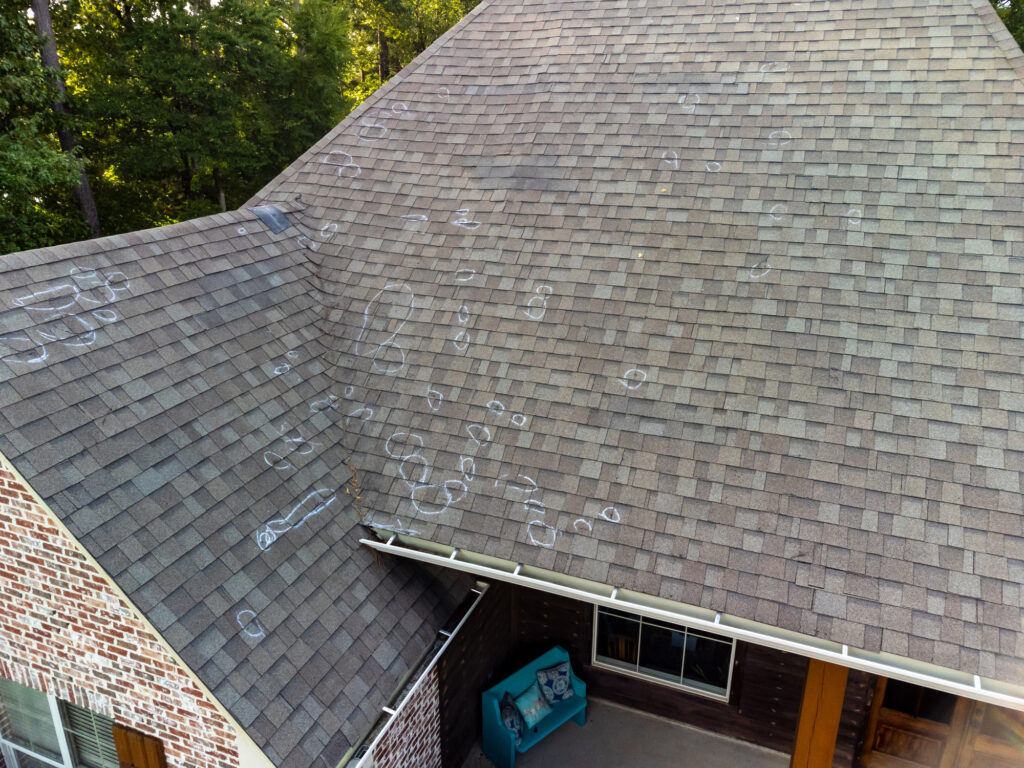
String winds, on the other hand, could lift the shingles, bend or break the metal flashings. All of this could lead to damage to your roof. These frequent episodes of harsh weather can weaken your roof. Thus, there is a higher chance of leaks or extensive roof damage.
That is why, after a storm it’s recommended to inspect your roof. Even if everything looks fine from the ground. Catching problems early can save you from much bigger and more expensive repairs later on.
When To Repair or Replace Your Roof?
Sometimes a small fix is enough for your roof. Replacing a few shingles or resealing the flashing can add years to your old roof’s life. But if you’re facing frequent or repeated repairs, it might be a sign of a full roof replacement. Roofs that are over 20 years or have widespread damage are usually nearing the end of their life. A reliable roofing contractor can take a close look and let you know what’s really going on and what your best option is moving forward. If you’d like a professional assessment or want to discuss your options in more detail, contact us to schedule an inspection.