

Fading, Warping, or Loose Panels: Early Signs Your Siding Is Wearing Out
Siding damage is more than just cosmetic issue. Fading, warping, or loose panels can indicate underlying problems that may cause structural damage.
Homeowners shouldn’t underestimate the early warning signs that the siding is wearing out. Most siding materials are designed to last anywhere between 20 and 40 years. However, improper installation, poor ventilation, and extreme weather can shorten its lifespan.
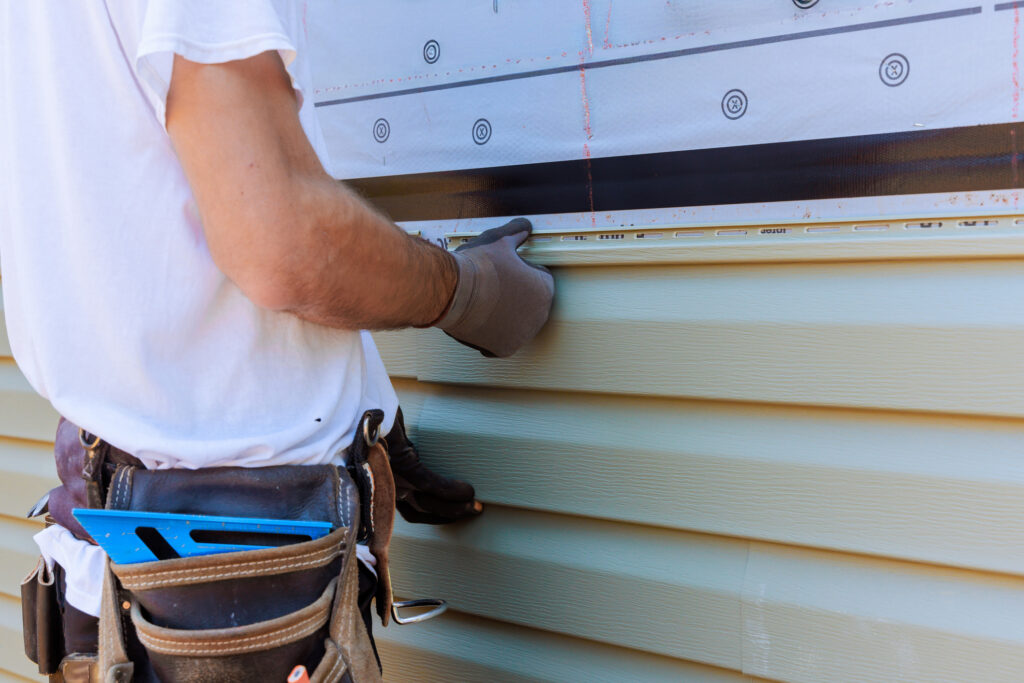
This guide shares practical explanations and professional insights to help you understand which siding deterioration signs need attention.
Signs Siding is Wearing Out: Fading and discoloration
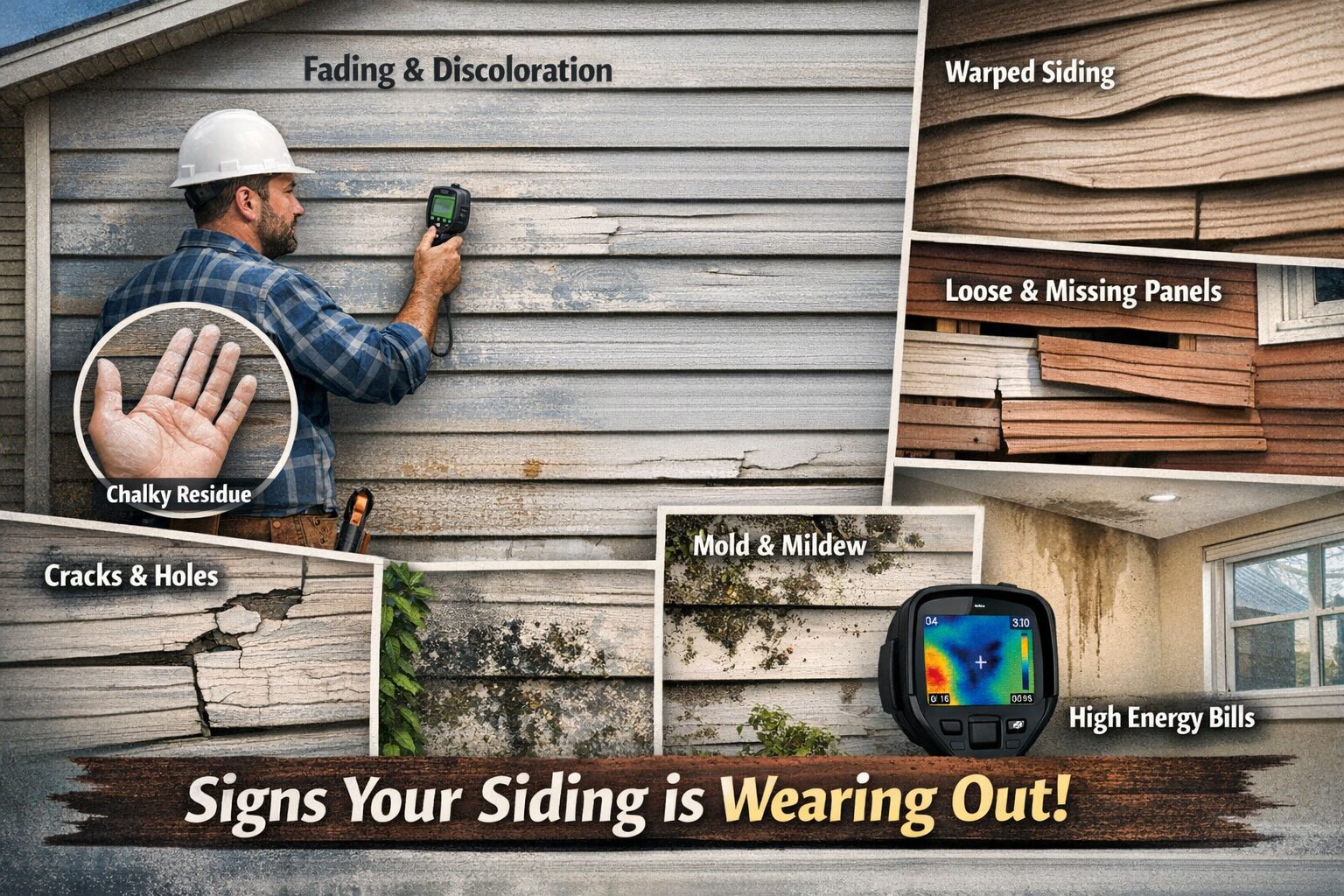
The siding has a protective surface layer. With long-term exposure to UV rays, the layer wears off, and you can notice fading and discoloration. These siding fading problems appear on the south and west-facing sides. You can spot this in vinyl and painted wood siding.
Actually, fading isn’t only about appearance. The siding also loses its weather resistance. Professionals use a moisture meter during inspections. This helps determine whether fading has led to material breakdown.
Tip: Rub your hand across the siding. If you see chalky residue, this means the coating is breaking down.
Warped Siding Panels
The siding panels have a flat and even surface. If you notice warping or if it appears wavy, this is a potential sign of moisture damage. This requires a professional inspection.
Contractors check for underlying water damage. They inspect the sheathing or framing to look for signs of rotting. The flashing around windows and doors is also checked, as it is a common source of moisture when it fails.
On the other hand, warping can happen if vinyl siding wasn’t installed correctly. When the panels are nailed too tightly, they don’t have room to expand and contract with temperature changes.
Professional tip: Spotting warping is difficult if you’re standing in front of it. Instead, take a look from the side in daylight.
Loose or Missing Panels
The siding protects your home from pests and moisture. Loose or missing panels compromise the protective function, leaving gaps for moisture to seep through and soak the insulation.
One loose panel may be a fastener issue that can be easily fixed. But if you notice multiple loose panels, this could indicate aging clips or improper installation. After a major storm, take a look around your home. Notice if any panels shift in the wind or hang unevenly.
Cracks and Small Holes
Cracks, chips, and holes are more than just aesthetic issues. Even small cracks allow moisture to enter under the siding. With continuous exposure, this leads to rotting and mold growth.
Remember that this is one of the early siding failure symptoms. As soon as you notice any cracks, schedule a professional inspection. Catching the problem early helps you save money on expensive structural repairs.
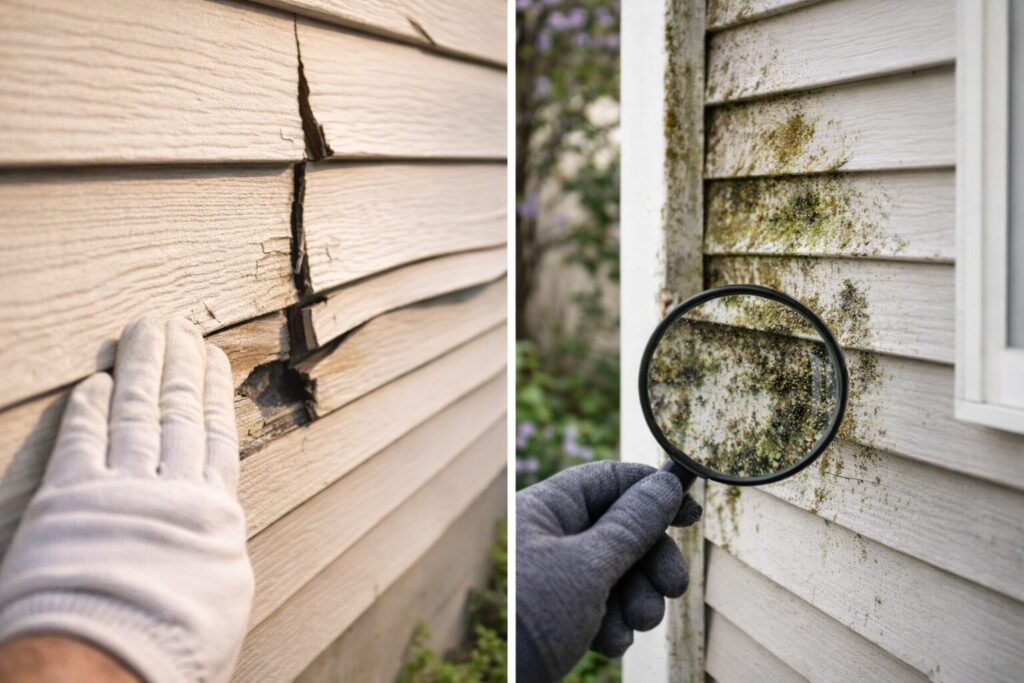
For example, a homeowner noticed hairline cracks near the bottom panels. They assumed the damage was caused by the lawn equipment. After a couple of months, they had problems with ants. It turned out that ants entered through the tiny crack and built a nest inside the wall cavity. What could have been a simple repair turned into a pest control bill.
Peeling Paint
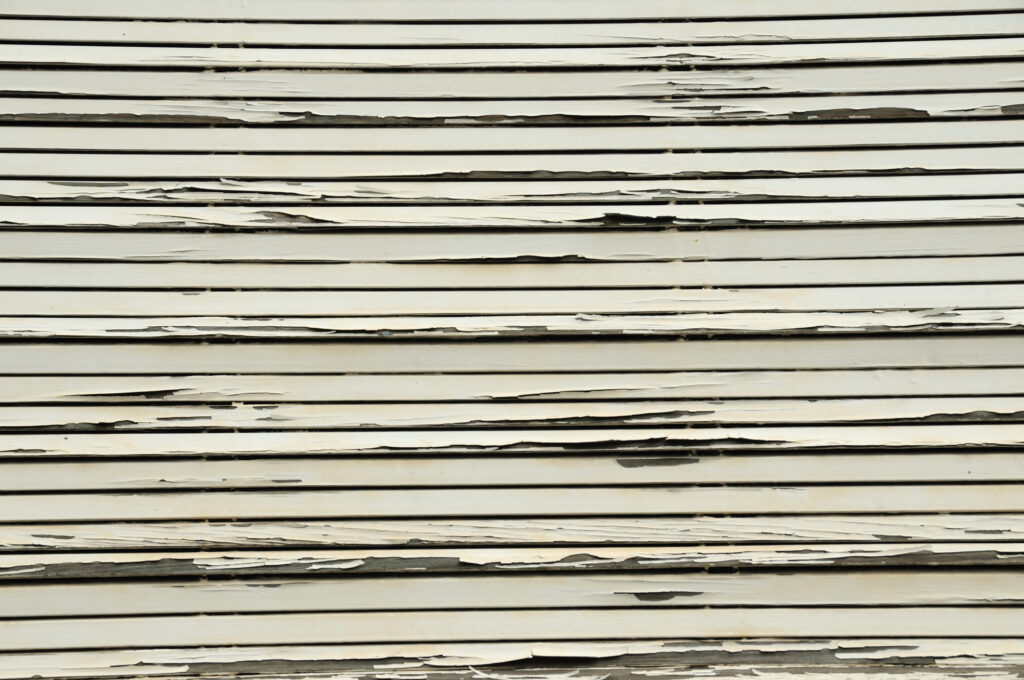
Fading or peeling paint means that the protective barrier is damaged. As a result, the siding is prone to water damage. When repainting doesn’t solve the exterior siding damage issues, this is a strong sign that it is wearing out.
In such a case, a siding replacement is needed for peace of mind. The modern materials are durable and easy to maintain, so the investment is worth it.
Mold
With age, the structural integrity of the siding is compromised. The gaps allow for moisture to seep in, creating a breeding ground for mold. Remember that mold isn’t only an aesthetic issue. It can also decrease indoor air quality or cause allergies.
Problems like mold, mildew, and algae growth require attention. Some surface mold is normal in humid climates and can be washed away. If the problem is persistent, this could indicate deeper moisture problems.
Tip: Look for dark streaks, green patches, or persistent staining.
Water Stains
Water stains on interior walls are one of the less obvious signs of siding deterioration. Homeowners blame roof leaks or burst pipes for this issue. And if there is no visible source, siding could be the issue. Have a professional inspect the siding to find any inconsistencies. The truth is that moisture can penetrate behind damaged siding and reach the insulation and interior drywall.
Increased Energy Bills
Rising heating and cooling costs are one of the overlooked signs that siding is wearing out. Damp insulation or air leaks happen when the siding is compromised.
For instance, a homeowner noticed one room was colder than the others in winter. After an inspection, contractors detected damaged siding. The insulation was soaked and compressed.
Tip: Contractors do thermal imaging to discover cold spots. When those cold spots align with siding damage, they inspect the issue further. In most cases, it happens due to wet insulation or air leaks.
Soft Spots
The siding should be solid when pressed. If it feels soft, this indicates rot or damaged sheathing.
In fact, soft spots don’t happen overnight. They appear due to long-term moisture exposure. In most cases, homeowners need to replace some of the structural wood framing.
Age of the Siding
The siding materials have a lifespan. No matter how well you maintain it, wear shows on aging materials.
With time, more frequent repairs will be needed. It is clear that a full replacement is a more feasible solution.
When to Replace Siding
Full replacement costs range from $10,000 to over $30,000 for standard houses. So, homeowners often ask when the right time is to replace the siding.
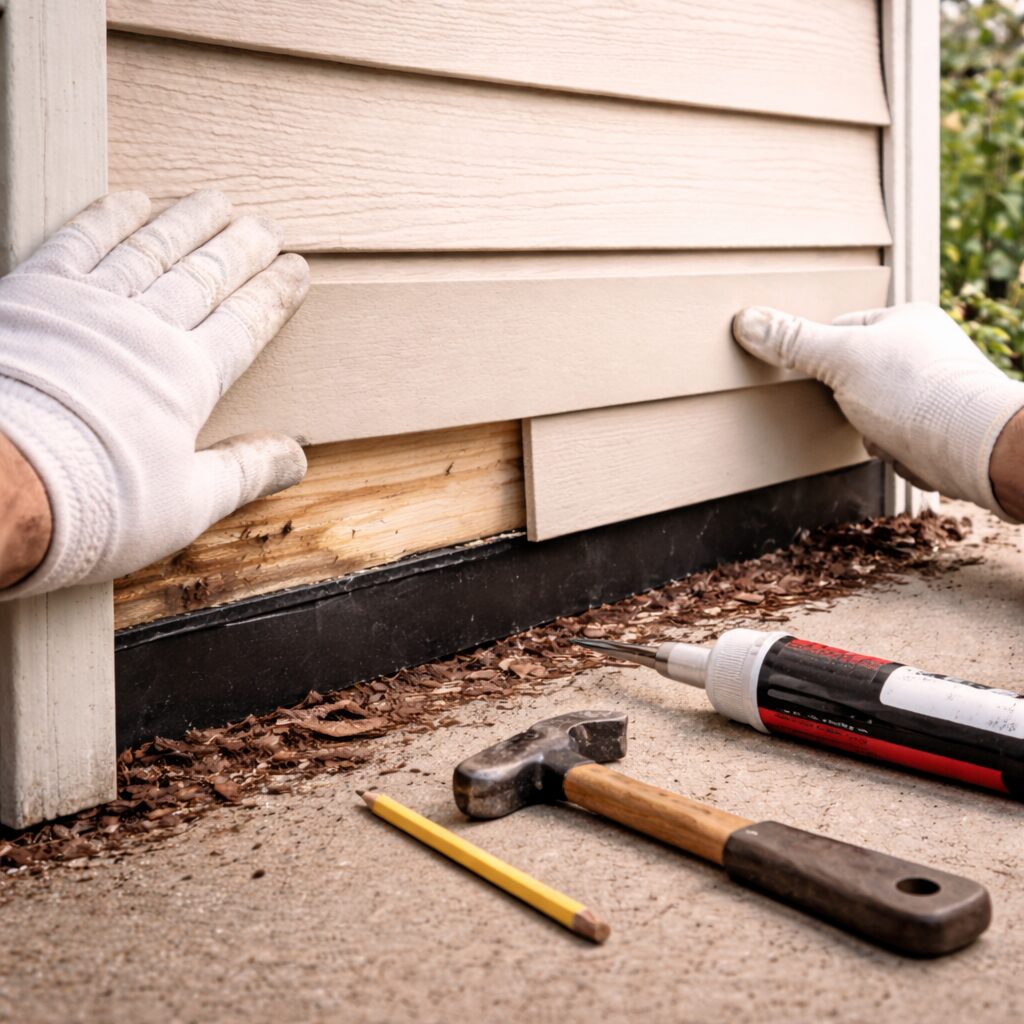
Professionals advise a full replacement when multiple sides have cracks and holes. The brittle surface shows the protective layer is wearing out and no longer serves its function. And of course, the siding should be replaced when close to the end of its lifespan.
On the other hand, you can get away with simple fixes if the damaged area is small. If the panels are structurally sound, this is a good sign.
Next, siding that is under 15-20 years old and installed properly doesn’t need replacement in most cases.
Final Take
Serious siding problems don’t happen overnight. Fading, warping, cracks, and wet spots are the early siding maintenance warning signs. If neglected, they can grow into bigger problems.
To make the most of your siding’s lifespan, do checks twice a year. Spring and fall are the perfect times to inspect the aftermath of extreme temperatures.
And don’t forget to request a professional siding inspection every 1 to 2 years. While you can spot the obvious issues, professionals have the equipment and experience to determine the underlying problems. Contact us now and schedule your inspection!