

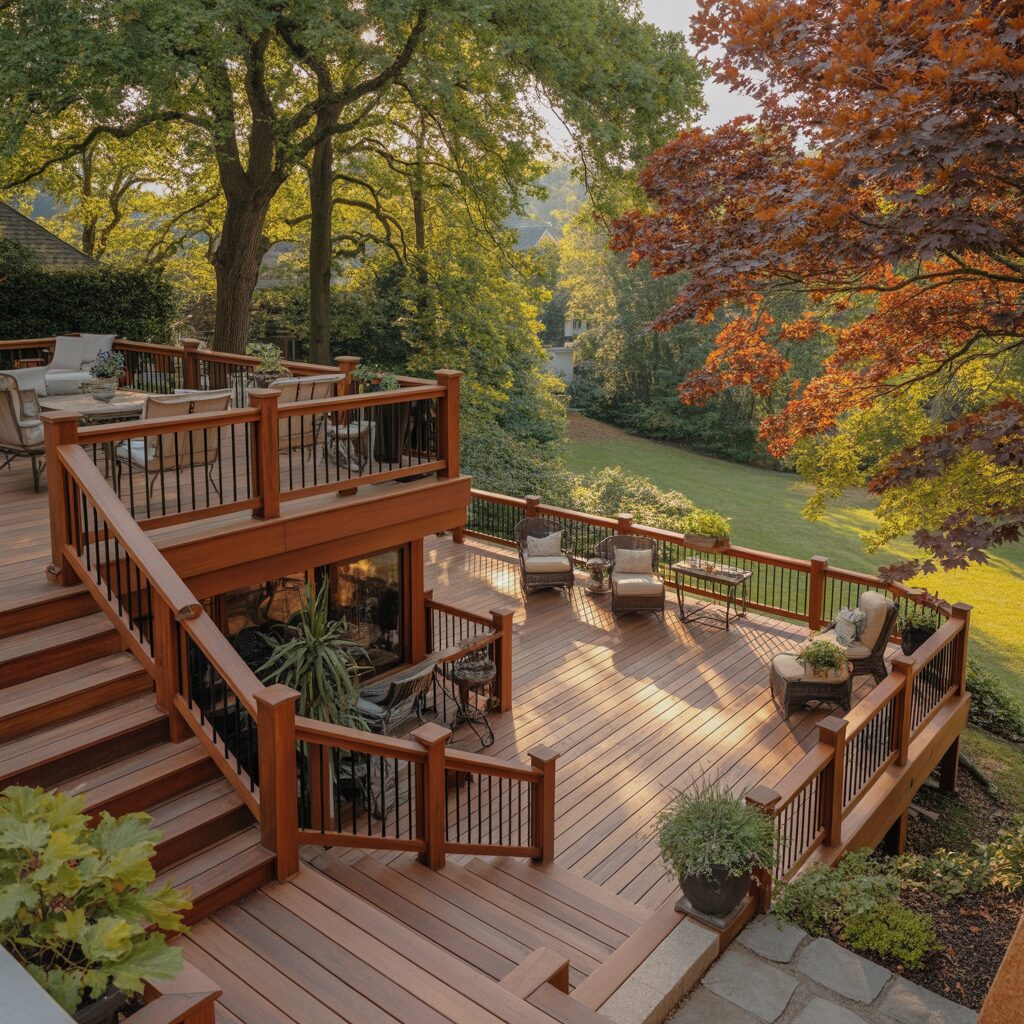
When a homeowner in Virginia decides on deck construction Northern VA, they have so many questions. While the size and design are important, the choice of materials is crucial.
A few years ago, we worked with a family in Fairfax who wanted to replace their old backyard deck. They loved spending summer evenings outside. But their existing wood deck was past its lifespan. The boards were faded, some areas were splintering, and they were tired of sanding and staining them every spring. So we recommended composite as the perfect option for their needs.
Some homeowners like the natural appearance of wood. Others want something that is easier to maintain and can withstand the harsh weather of Northern Virginia.
In this guide, we do a detailed comparison of the most common materials used for deck construction Northern VA.
Deck Construction Northern VA: Why Choosing the Right Material Matters
Northern Virginia weather can be tough on decks. They experience high temperatures, humidity, rain, freezing winters, and snow. These conditions can affect how the material looks and performs over time.
For example, a wood deck in Fairfax looks beautiful when first installed. But the owner didn’t have time for regular maintenance in the spring. Moisture began to penetrate the boards. Over time, this can lead to cracking and fading.
Composite is made of a combination of wood fibers and recycled materials. It doesn’t absorb water, so it stays in good condition without sealing.
But it may not be the ideal choice for everyone. Some homeowners prefer natural wood because it matches the character of their house.
Durability
Wood Decking
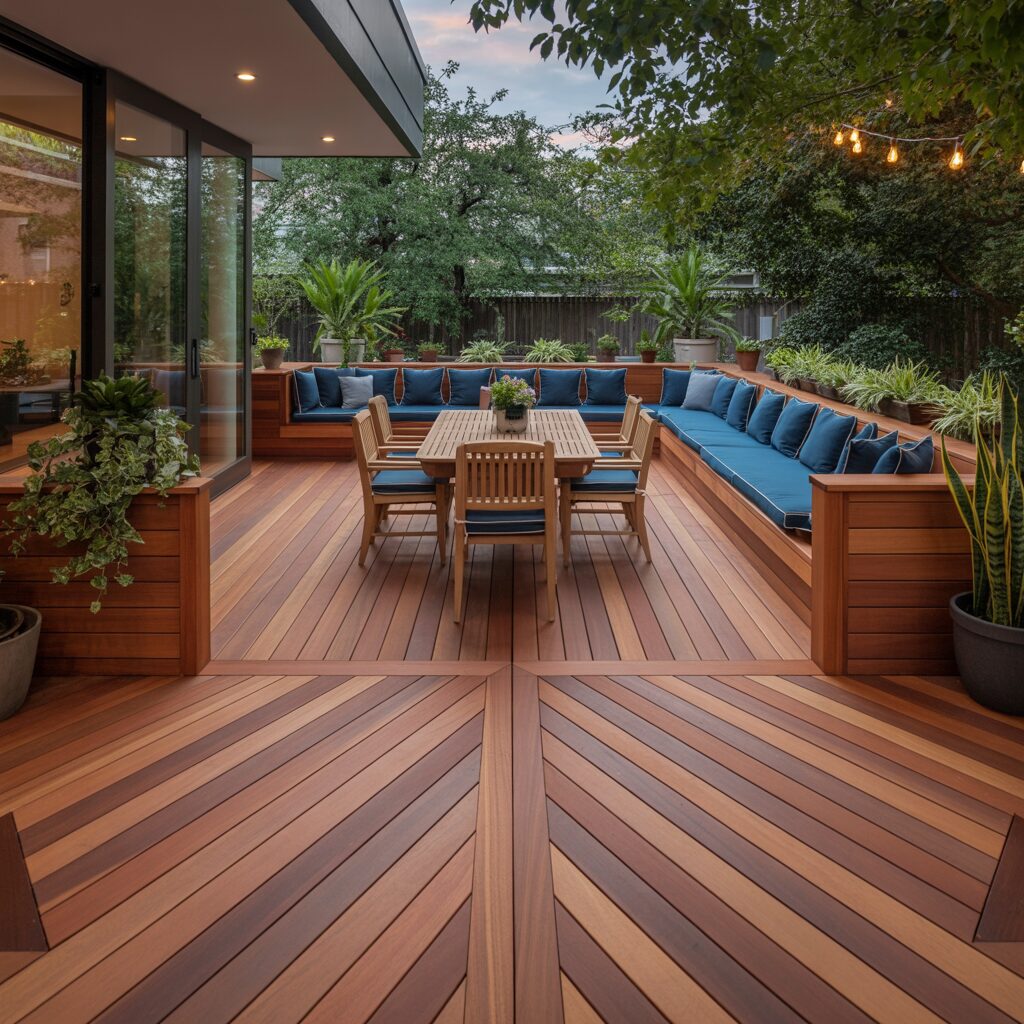
Wood has been a popular choice for decades. It is strong, reliable, and widely available. Pressure-treated wood is a common choice for deck construction Northern VA. It is treated to prevent insect infestation and decay.
Cedar and other natural woods are also great options as they resist moisture better than untreated lumber.
But we should not forget that wood is still a natural material. It is exposed to rain, humidity, sunlight, and temperature changes, which can cause problems over time.
The most common issues are:
- Cracks and splits
- Warping or cupping boards
- Fading from sun exposure
- Rot in areas where moisture collects
- Loose boards or nails
For example, a deck that receives full afternoon sun in an Ashburn backyard may fade faster than one in a shaded area.
Composite Decking
Composite decking is highly durable and can handle outdoor conditions. The material itself does not absorb moisture like wood, so it is less likely to warp or rot. Many composite products have protective layers that help prevent stains, fading, and scratches.
The good news is that you don’t need to stain and seal the deck. But keep in mind it can still scratch. Also, darker colors can become hot under direct sunlight.
Maintenance
Maintenance is another area where homeowners notice a big difference. For the ones that want to save time, composite is the go-to option.
Wood Decking
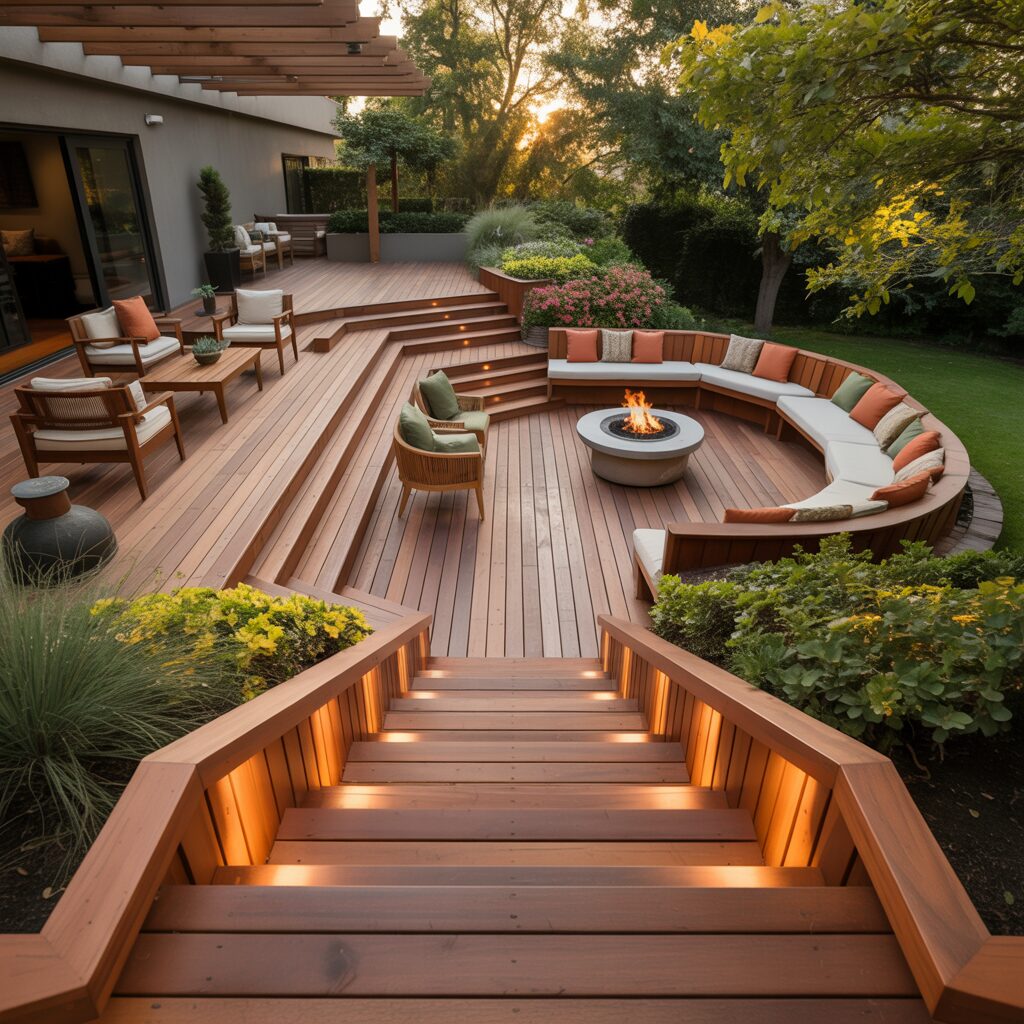
Wood requires regular maintenance. You will need to clean it every year. The staining and sealing are needed every two to three years, depending on how exposed it is to the weather conditions. Plus, it needs occasional sanding. As the deck ages, some boards need to be replaced.
Many homeowners enjoy this process. It is part of their spring routine that refreshes the appearance of the deck.
Others don’t want to add another maintenance project to their schedule. For example, a homeowner in Springfield with a busy family schedule may prefer spending weekends enjoying their deck instead of preparing it for another round of staining.
Composite Decking
Composite decking requires less maintenance. You’ll need to sweep away debris, wash occasionally with soap and water, and clean spills when they happen. There is no need for staining, sealing, or sanding.
This is the biggest advantage. Composite is often a choice for homeowners who want an attractive outdoor space without the maintenance.
Lifespan
The deck is a long-term investment, so the lifespan is important. Composite decking brings the best long-term value.
Wood Decking
The lifespan of a wood deck is 10 to 20 years, depending on the type of wood, installation, and maintenance. A pressure-treated wood deck installed by a professional that is cleared and sealed regularly can last longer than a neglected deck.
Also, the quality of construction matters. Your deck contractor needs to pay attention to proper drainage, correct spacing between boards, and good ventilation, all of which help prevent moisture problems.
Composite Decking
Composite decking lasts 25 to 30 years, with proper installation and basic cleaning. Composite does not absorb moisture, so it maintains its structure for longer.
It is a common choice for homeowners who see it as their long-term home.
Appearance and Aesthetic
Wood and composite have different looks. And this is where the decision becomes personal.
Wood Decking
Many homeowners appreciate the natural beauty of wood. It comes with unique grain patterns, variations, and warmth. A cedar deck complements traditional homes throughout Fairfax and Alexandria.
Wood can also be stained in different shades, so homeowners can change the color.
Composite Decking
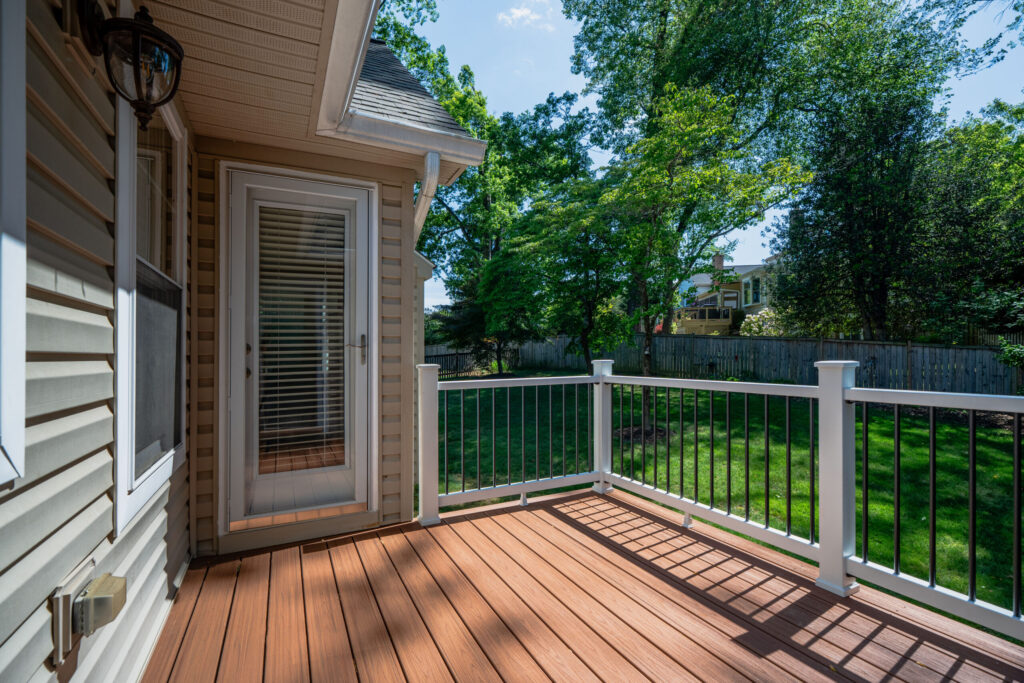
Modern composite decking mimics natural wood. It comes in different colors and has a realistic texture. Also, it keeps its original color with less effort.
Composite is often used in newer homes in Brambleton and One Loudoun because it pairs with the modern exterior.
Cost
Wood decking comes with a lower upfront cost. So it is ideal if you’re upgrading your outdoor space on a budget.
Composite costs more because of the materials and manufacturing process. But you don’t have any costs related to maintenance in the future.
When you compare prices, make sure to consider the total cost of ownership and not what you pay for the installation.
FAQ
Is composite decking better than wood in Northern Virginia?
Composite decking is a better choice for homeowners who want a longer lifespan and low maintenance. But wood always remains a great option because of its natural appearance. Ultimately, the best choice depends on your preferences, budget, and priorities.
How often does a wood deck need to be stained?
Wood decks need to be stained or sealed every two to three years. This depends on the weather exposure and the type of finish used. Decks that are exposed to the sun and moisture need more frequent maintenance to prevent fading.
Does composite decking get too hot in the summer?
Some composite decks can become hot under direct sunlight, especially darker colors. To minimize this, you can go for lighter colors and provide shade with a pergola or umbrella. This makes your deck more comfortable during the hot summers in Northern Virginia.
Final Thoughts
Every deck material has its advantages. But the best choice depends on your budget, maintenance preferences, and how long you plan to stay in your home. Wood has natural beauty and comes at a lower cost. Composite offers durability and easy maintenance.
If you’re unsure, let us help. Contact Noverra Exteriors today, and we will answer your questions and provide a free estimate.