

It’s a big deal to fix or replace a roofing system. A strong roof will keep your home, family, and belongings safe for many years. But if you hire the wrong contractor, you could end up with leaks, bad work, or even having to pay to have it done again.
Before you hire a roofing contractor, you should think about these ten important things. When you’re looking at contractors, use them like a checklist.
1. Getting a License, Insurance, and a Bond
One of the first things you should do is make sure the roofing contractor is licensed (if that’s required in your area), insured, and bonded.
- License or registration: A lot of states or cities require roofing contractors to have a license or registration. This makes sure they meet the bare minimum and can be held responsible.
- Liability insurance protects your home and property in case of damage, like when a worker breaks a window or roof tile by accident.
- Worker’s compensation insurance: If a worker gets hurt on your property and you don’t have coverage, you could be held responsible.
- A bond is like a promise. The bond gives you the right to take legal action if the contractor doesn’t finish the job or goes missing.
If a contractor won’t show you proof of these, that’s a warning sign. Roofers you can trust will have no problem giving you this paperwork.
2. Reputation and References in the Area
A roofing contractor might seem good on paper, but what do real customers think? A good reputation in your area is worth a lot.
- Ask for recent references, preferably for homes in your area or with roofs that are similar to yours.
- Drive by finished projects to see how the roof looks after a while and in bad weather.
- Check out reviews on sites like Google, Yelp, or local home services sites.
- You can look up complaints or ratings with the Better Business Bureau or a consumer protection agency.
You should be able to find a good roofer in your area who has happy customers in the past.
3. Experience and Specialization
Not all roofing projects are the same. The kind of material (shingles, metal, slate, tile) and how hard the roof is to work with are important.
- Find out how long the contractor has been doing roofing work and what types of projects they specialize in.
- Do they know a lot about the kind of roofing material you need, like metal, asphalt shingles, etc.?
- Can they deal with certain problems, like steep slopes, complicated flashing, skylights, chimneys, and so on?
- Have they worked on projects that are similar in size or design to yours?
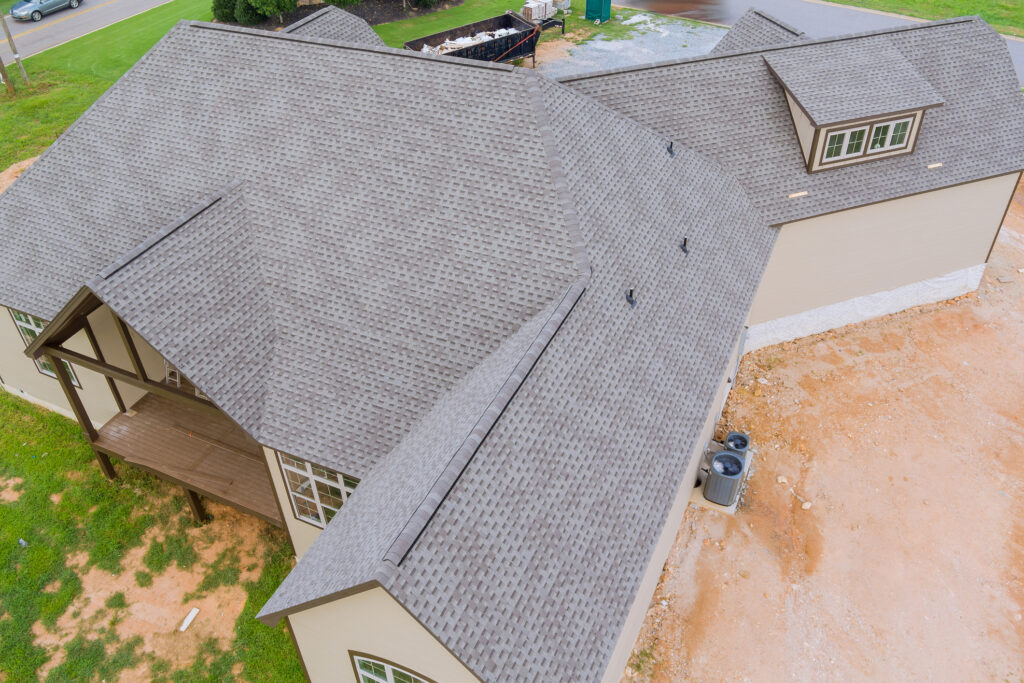
A roofer who has worked in a lot of different places will be more efficient and less likely to make mistakes.
4. Guarantees on the Work and the Warranty
Roofing warranties don’t just cover the materials; they also cover how the work is done.
- The manufacturer’s warranty covers problems with the roofing materials (shingles, underlayment), but only if the contractor put them up correctly.
- Workmanship warranty, also known as labor or installation warranty, covers mistakes or problems that happen during installation, such as bad flashing or sealing.
- Ask: How long does the warranty on the work last? What exactly does it cover (parts, leaks, labor)?
- If you sell your home, see if the warranty can be passed on to the new owner.
A good roofer will stand behind their work for a long time, sometimes up to 20 years.
5. A Full Written Proposal
Don’t accept a price written on a napkin or spoken to you. A good roofing contractor gives you a written proposal that goes over every part of the job.
A good proposal should have:
- What needs to be done (tear-off, number of layers, underlayment, flashing, ventilation, etc.)
- Things like brands, types, and colors of materials
- Pitch and square footage of the roof
- Dates when work will begin and end
- Terms for cleaning up and getting rid of things
- Schedule for payments
- Details about the warranty
- What will happen if more damage is found?
- Getting permits and following the rules
This gives you something you can use to make sure there are no surprise costs or scope creep later.
6. Open and Honest Communication
A contractor’s communication style before the job often shows how they will communicate during the job.
- Do they answer your questions and concerns?
- Do they use clear, simple language to explain things (not too much technical jargon)?
- Are they honest about costs, possible problems, and deadlines?
- Do they let you know how things are going as they go along?
If the contractor avoids answering questions or seems unsure about the details, that’s a red flag. You need someone you can trust to be honest the whole time.
7. Price vs. Value (Don’t Just Go for the Cheapest Option)
Price is important, but the lowest bid isn’t always the best one. You don’t just want a good deal; you want value.
- Look at a few quotes side by side. If bids are very different, you should ask questions.
- Find out why one quote is higher. It could be because they use better materials, have safer practices, or offer a better warranty.
- Make sure that all of the bids include the same parts and scope (the same materials, flashing, underlayment, etc.).
- Be careful of contractors who want big deposits up front or only accept cash.
A slightly higher price from a reliable, trustworthy roofing contractor can save you a lot of trouble later on.
8. Safety, Professionalism, and Cleaning Up on the Job Site
The way a roofing company acts on your property shows what they stand for.
- Are they using safety gear like harnesses, fall protection, the right shoes, signs, and so on?
- Will they keep your landscaping, siding, gutters, and property safe while they work?
- How do they clean up? They should pick up nails and other trash and leave the area clean.
- Are the workers polite, on time, and well-organized?
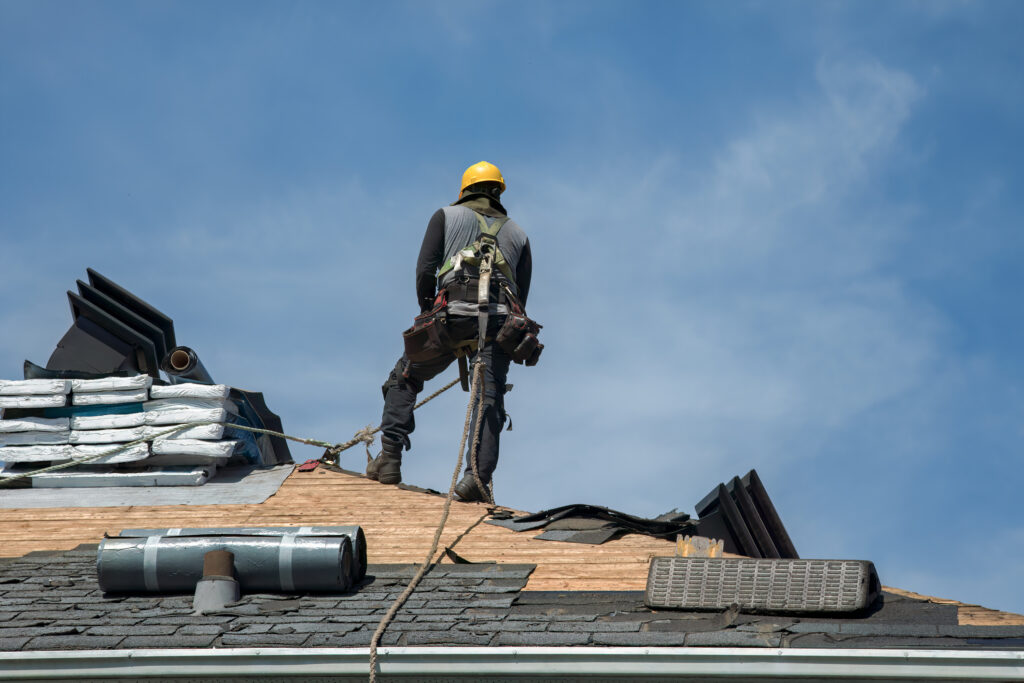
A professional job is one that is clean, safe, and doesn’t damage your property.
9. Planning and Managing the Project
There are times when things go wrong, but a roofing contractor should still be able to manage their time well.
- When can they start, and how long will it take to finish?
- Do they have backup plans in case of bad weather, delays in getting supplies, or other problems that come up?
- How do they deal with changes or extra problems, like finding rotting decking under old shingles?
- Will they arrange for the necessary permits, inspections, and subcontractors (like electricians, flashing, etc.)?
A contractor who is well-organized and makes a clear schedule cuts down on surprises and stress.
10. Knowing the Area and Following the Rules
Not everyone can do roofing. It’s important to think about the local weather, building codes, and permit rules.
- The contractor should be familiar with the building codes, permit requirements, wind and snow loads, and material restrictions in the area.
- They should make a system that works well in the local weather, like ice and water barriers, ventilation, flashing, and so on.
- They should take care of all the permits and inspections or help you with them.
- When they know your area well (like Northern Virginia), they can better prepare for problems like snow load, wind uplift, and seasonal weather changes.
If you hire someone who knows about the weather, building codes, and materials in your area, there will be fewer surprises and the work will last longer.
How to Put It All Together: How to Choose and Evaluate
Here’s a plan you can use to put those ten things into action:
- Start with recommendations from friends, neighbors, and real estate agents.
- Choose 3 to 4 people from the list.
- Ask the right questions about the process, the materials, the licensing, the insurance, and the warranties.
- Put proposals next to each other and compare them.
- If you can, check references and past work by going to completed projects.
- Pay attention to how they talk to you; being clear and responsive is important.
- Don’t rush, but trust your gut.
- Get everything in writing, including the proposal, the contract, and the warranties.
- Keep an eye on the job and be there every now and then to ask questions and make sure that things are being done in a professional manner.
- Keep records like photos, warranties, and invoices after the work is done.
Mistakes That Many Homeowners Make
- Instead of hiring local roofers who have been checked out, you hire “storm chasers” after bad weather.
- Falling for bids that are too low.
- Not checking written agreements or warranties.
- Not checking for insurance or a license.
- Not checking references or going to the site.
- Allowing contractors to start right away without time to look over.
- Putting down a large deposit or paying in full before work starts.
Being careful at first can save you a lot of money later.
Case Study / Example (A Real-Life Situation)
Here’s a made-up but realistic example:
After heavy storms, Sarah in Fairfax, VA had a roof that leaked. She hired the first contractor who came to her door and gave them a 50% deposit. Instead of replacing the flashing, the contractor did patchwork. After a year, the leaks came back, the roofer was gone, and she didn’t have a warranty.
She could have avoided that if she had checked the licensing, asked for a detailed roofing proposal, gotten multiple bids, or checked references. The time and money spent on vetting is worth it for peace of mind and long-term results.

Final Thoughts and Advice
It’s not just about the shingles and flashing when you hire a roofer; it’s also about trust and the process. If a roofer doesn’t meet even one or two of these important requirements—like having a license, a warranty, good communication, and local experience—it’s a good idea to think twice.
Noverra Exteriors is committed to meeting all ten of these standards for homeowners in Northern Virginia. Whether you’re planning a roofing project, reviewing our portfolio, or ready to reach out through our contact us form, we’re here to help.
Our team proudly provides transparent communication, detailed proposals, verified insurance documentation, and local roofing expertise you can rely on from start to finish.