

5 Key Factors That Affect Your Roof Replacement Cost (What Most Homeowners Miss)
Roof damage often develops gradually. The small signs are usually present, such as small leaks after heavy rain, missing shingles, and damp spots in the attic. And there you are, requesting a roof replacement quote from your trusted contractor. The roof replacement cost may surprise you.
However, the number is shaped by different factors. The structure, material choices, and underlying problems impact the final price. This guide brings you practical insights to help you understand the roof replacement price.
Roof Size
Many assume roof size is simple to calculate. But in reality, it is not the same as your home’s square footage. Roofing contractors don’t calculate based on the floor space. They measure the surface area of the roof. The calculation includes the slopes, overhangs, and architectural details. This is where the roof size cost becomes more complex.
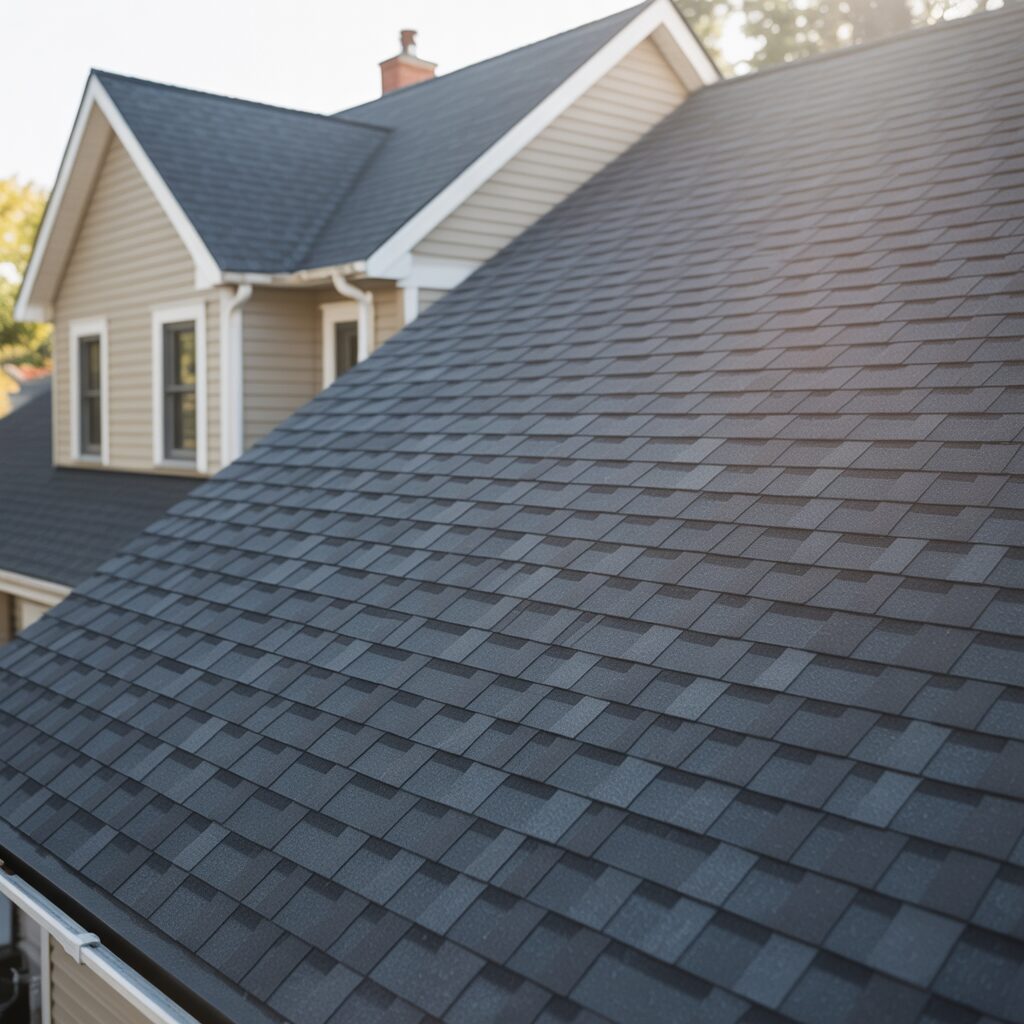
A roof with a steep pitch has more surface area than a low-slope one. With the overhangs and extensions, the number increases.
Plus, the material waste adds extra cost. Roofing materials are used efficiently on a simple surface. On the other hand, a complex roof with angles and cuts produces shingle residue.
For example, two homes in a neighborhood had the same layout. One had a simple gable roof, and the other steeper pitch with extensions. The second homeowner paid 20% more, as the roof required more materials and labor.
Roofing Material
Roofing materials have different price ranges, so this cost significantly impacts the quote you’ll get. Some materials are budget-friendly and easy to install. Others need specialized labor for installation, but offer long-term value.
Asphalt shingles are budget-friendly and easy to install, making them the most popular option. Metal roofs perform well in hot climates and harsh weather, but they costs more.
If you mind aesthetics, clay and concrete tiles are some of the choices. They do offer durability and a charming look, but they take time to install. Slate roofing provides an unmatched lifespan.
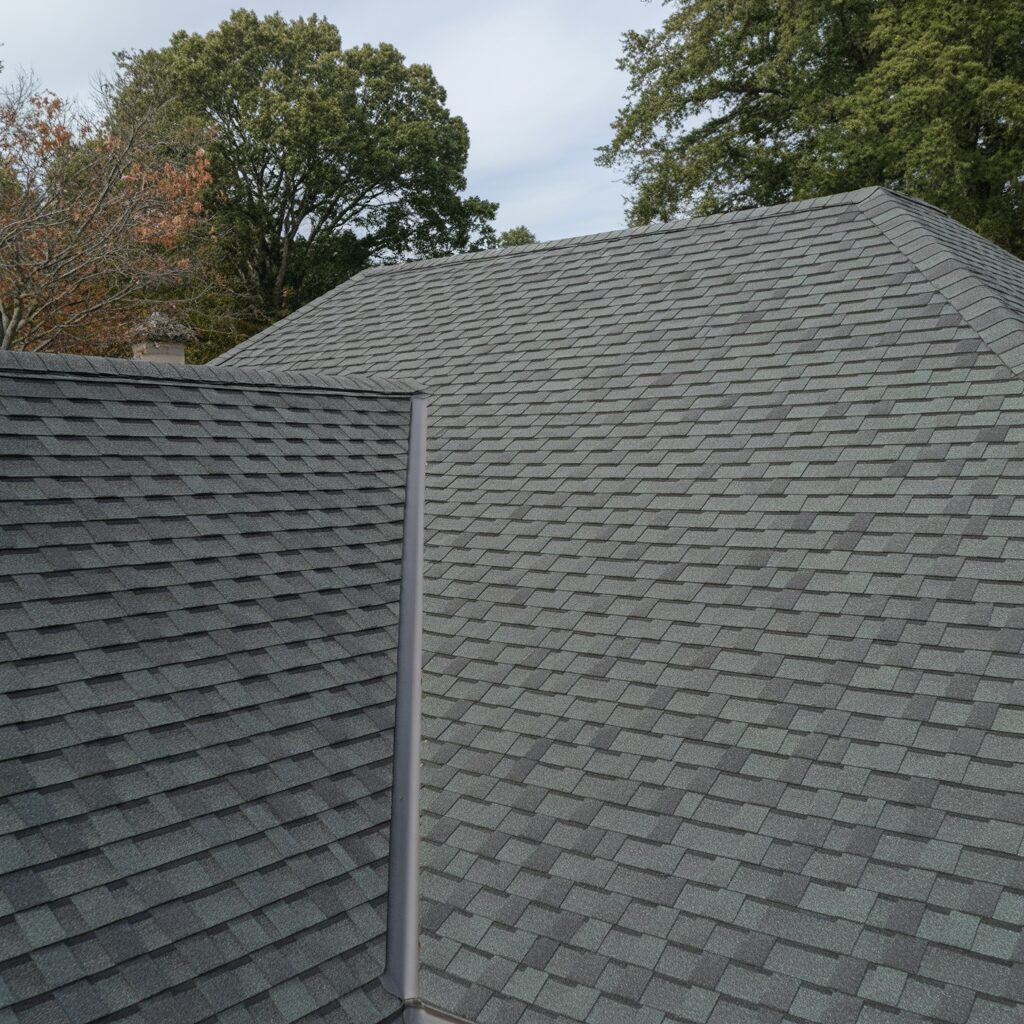
The cost to replace the roof is not only determined by how much material you use. It is also about the installation complexity. Since the workers are paid on an hourly basis, materials with complex and lengthy installation cost more. Also, the specialized labor comes with a higher hourly rate.
Another thing to consider is the value of your investment. Think about what you get for your money. The average roofing material lifespan should be a good starting point. Also, don’t forget to include maintenance and repairs in your long-term costs.
Asphalt shingles are a feasible investment if you plan to sell your home soon. However, low-maintenance options like metal may prove cheaper in the long run.
Roof Complexity
The roof complexity determines the labor time. Replacing a basic gable roof is faster and easier. The workers have fewer cuts and obstacles to complete.
However, a complex roof is a different story. Multiple slopes and angles, valleys where sections meet, and features like dormers, skylights, chimneys, and vents are more difficult to work on. They create transitions that require precise detailing. Also, they need proper sealing to prevent leaks. All of this increases the labor costs.
Underlying Issues
When the old roof comes off, it reveals the underlying problems. Just because the roof looked good on the outside doesn’t mean the structure is in good condition. Experienced contractors always plan for unexpected issues.
Long term moisture exposure can result in rotted or soft decking. This weakens the structure, so it won’t hold new fasteners properly. Mold and mildew are signs of poor ventilation.
The underlayment is a protective layer below the shingles. It can be worn out or improperly installed. Plus, improper fixes in the past may have created bigger issues. These issues are quite common in older homes.
Always allocate 10% to 20% of your budget for unexpected problems. You can get away with only small decking repairs or underlayment replacement. But keep in mind, contractors may need to do ventilation upgrades or structural wood replacement, which cost more.
For example, a homeowner expected a simple replacement. However, the contractors found rotted decking after removal. They had already set a contingency budget, so this cost was managed. Otherwise, the project would have been delayed.
Location and Accessibility
The accessibility and working conditions also impact the price. In some cases, the materials can’t be delivered directly. Workers have to carry them manually, increasing the time.
Roofing estimate factors:
- Limited access to the property
- Multi-story buildings
- Steep roof angles
A homeowner in a tightly packed neighborhood expected a standard installation. However, they don’t have driveway access. The materials had to be carried by hand, which added extra hours to the bill.
What’s Really Included in Your Roofing Quote
Before you agree to a quote, always check what’s included. Consider all aspects of the roof replacement process, starting from material delivery to warranty. Ask if it is the full price, or you need to expect additional costs.
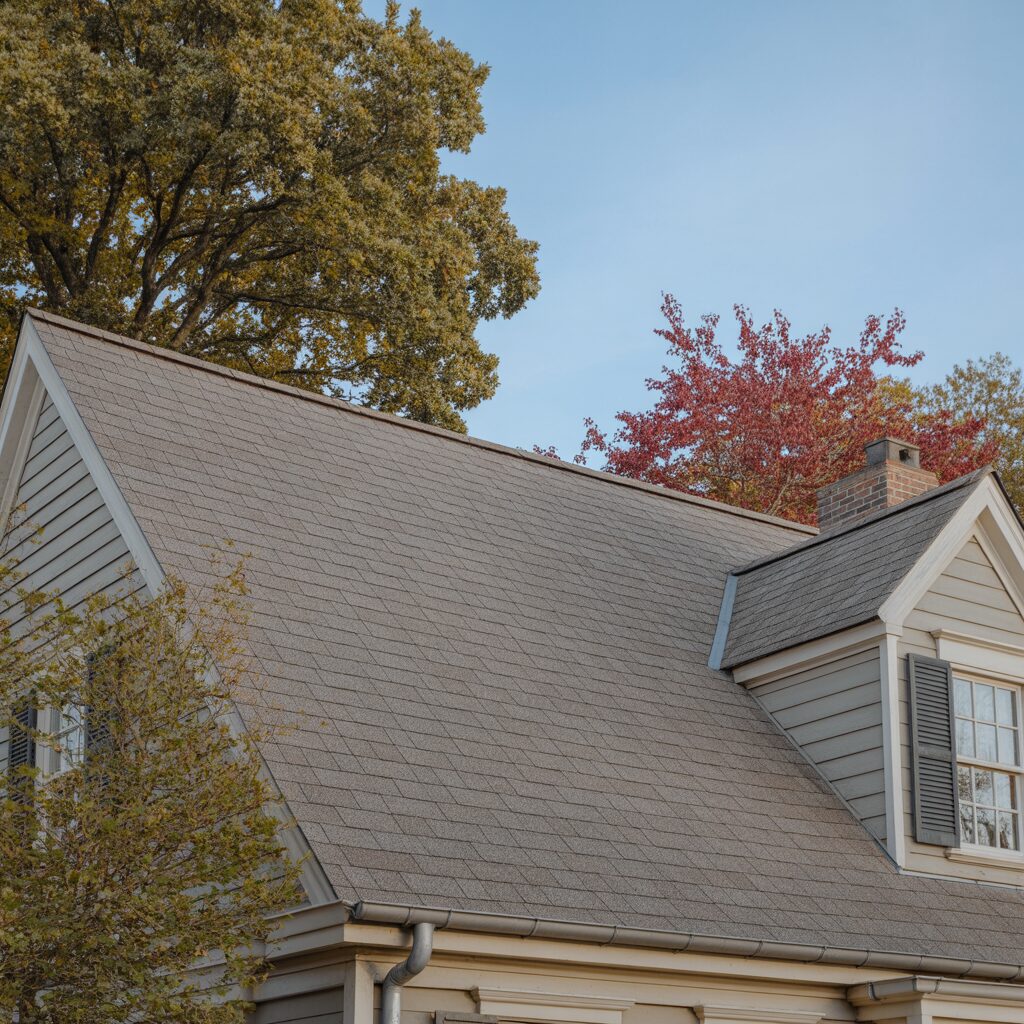
Things like waste removal and material delivery will cost extra if not included in your contract. Reputable contractors are clear about what’s included in the service and what’s not.
Material Delivery
Some contractors include material delivery, while others charge extra. This includes transporting shingles, underlayment, and other materials to your home. Ask ahead to avoid surprises later. And if transportation is included, check the terms and conditions.
Waste Removal
The old roofing materials need to be disposed of properly. The quote should include tear-off, dumpster rental, and disposal. If it isn’t, you’ll need to pay extra and deal with it yourself.
Permits
Roof replacement may require permits. Reliable contractors will handle this for you. But if they don’t, it costs time and money.
Warranty coverage
Low quotes may come with limited warranty coverage. And homeowners realize this when problems happen later on. The quote should include a material warranty from the manufacturer. Also, the contractor should provide a workmanship warranty.
Liability Insurance
Roofing is a high-risk job. Contractors spend hours on ladders, scaffolding, and steep surfaces. They also carry heavy materials. Because of this, there is a risk of injuries or property damage.
Liability insurance is important for peace of mind. It protects the homeowners if anything goes wrong. Workers’ compensation is another important aspect, covering any injuries to workers on your property.
For example, a contractor was replacing the roof when a shingle fell. It damaged the neighbour’s car. The company has liability insurance, so the repair costs were covered. Otherwise, the homeowner would be responsible for the damage.
Final Take
The roof replacement price isn’t a one-line answer. The full breakdown consists of material, complexity, actability, and underlying problems. We always advise homeowners to set aside a contingency budget to accommodate unexpected issues.
When you need a reliable contractor to handle your roof replacement, we are here for you. Contact us now to get a quote!