

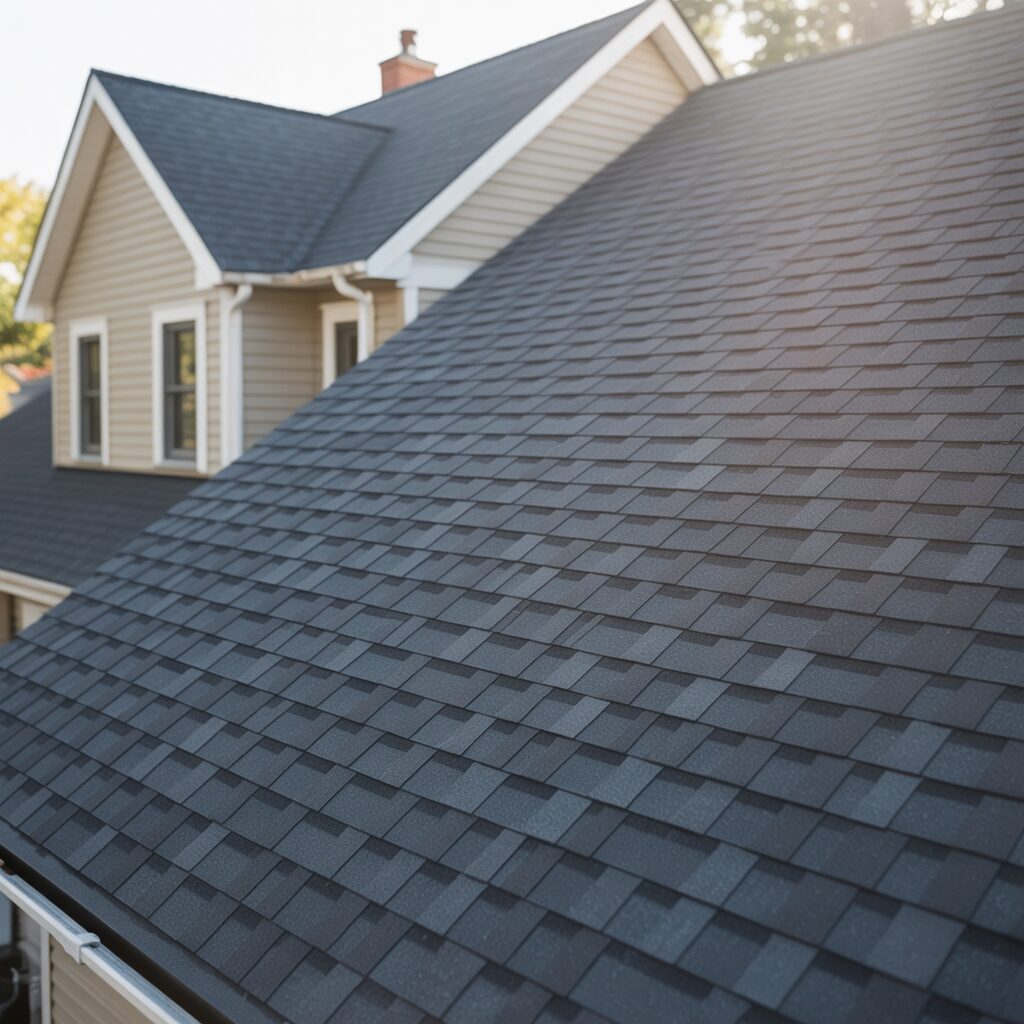
How to Choose the Right Roofing Material in 2026 (Costs, Lifespan, and Best Options)
The roof is a long-term investment. It protects your home, ensures energy efficiency, and impacts the resale value.
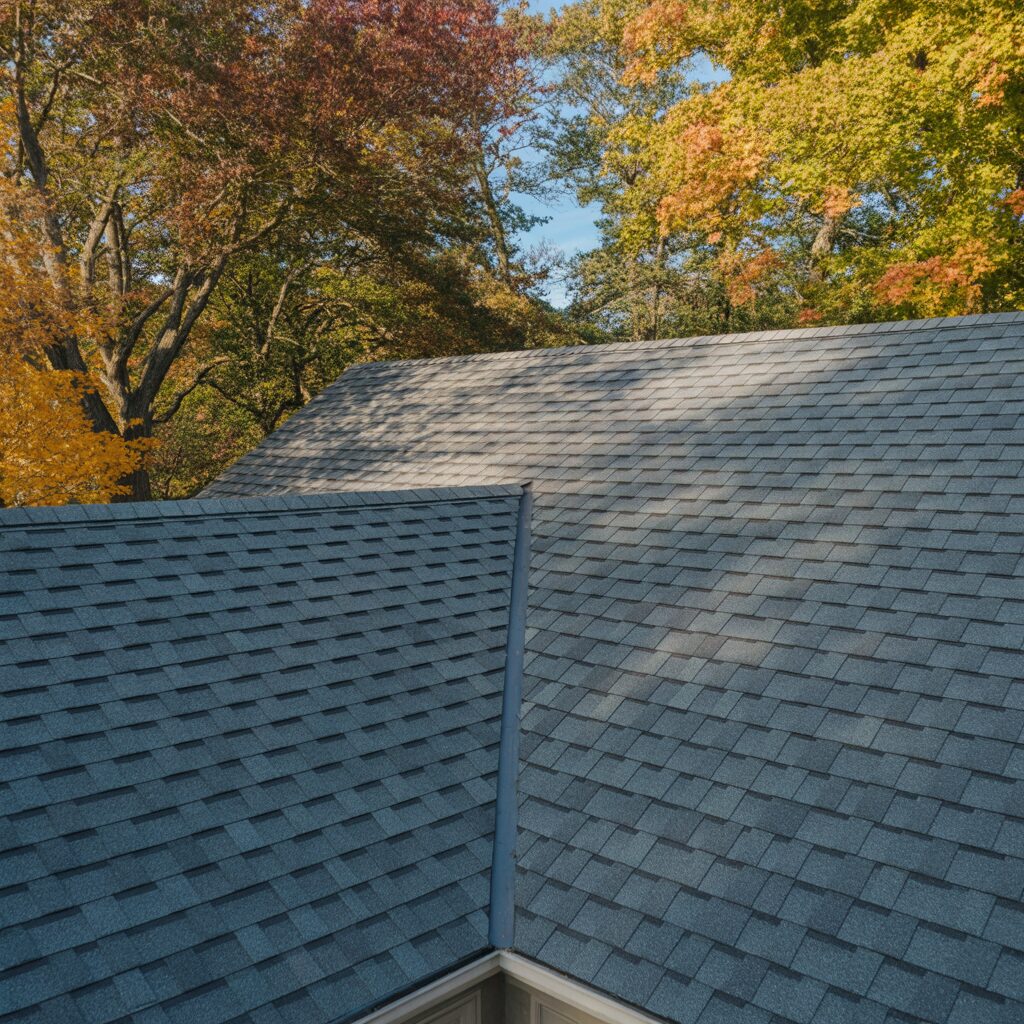
No matter the quality, the wrong material choices can lead to higher energy bills and frequent repairs. This guide dives deeper into the subject, revealing the roofing materials, cost, and factors that impact your choice.
Why Your Roofing Material Choice Matters
A few years ago, choosing roofing material was mostly about looks and budget. However, the decisions now are different. Homeowners are looking to invest in long-term value. The truth is, many things have changed.
Today, energy efficiency is everything. Energy costs are higher, so homeowners are looking for materials that reduce heat absorption.
On the other hand, extreme weather conditions require durability. Weather patterns have become less predictable. Summers are hotter, so the AC needs to work harder. At the same time, strong storms cause shingle damage.
Lastly, labor costs increase due to the rising living costs. So fixing roof issues becomes more expensive. Basically, a cheap roofing material can be a costly mistake in the long run.
Asphalt Shingles
Asphalt shingles are the most common option. They cost between $4 to $8 per square foot installed, making them an affordable option for budget-conscious homeowners. The average lifespan is 15 to 30 years, and you can get the most out of them with regular maintenance. Plus, they’re easy to install.
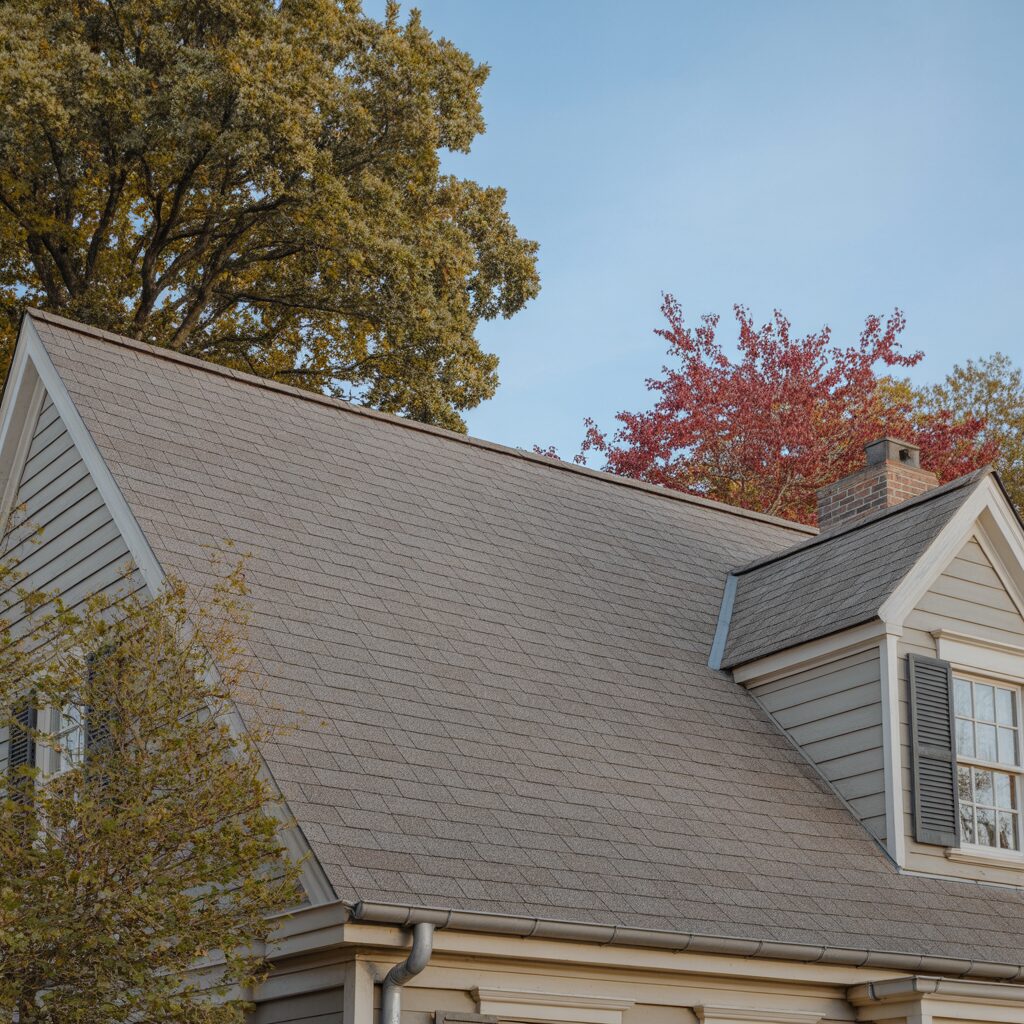
For example, a homeowner wanted to replace the 20-year-old roof before selling the property. They chose asphalt shingles to improve the curb appeal without over-investing.
Pros:
- Affordability
- Availability of colors
- Easy installation
Cons:
- Shorter lifespan
- Less energy efficient
- Less resistance to weather conditions
Metal Roofing
Metal is gaining huge popularity thanks to its durability. The average lifespan ranges between 40 and 70 years, making the most of your investment. However, this comes at a higher cost. Expect to pay between $8 to $16 per square foot installed.
If you’re concerned about the aesthetics, metal roofing is available in different finishes. It can mimic shingles, slate, or wood. So you don’t have to worry whether the industrial look of metal fits your architectural style.
Homeowners who want this upgrade to reflect their energy bills may be surprised. Metal reflects heat, so there is a drop in cooling costs. According to studies, cooling cost savings range from 25% to 40% in warmer climates.
Pros:
- Lower energy bills
- Extremely durable
- Low maintenance
Cons:
- Higher upfront cost
- Can be noisy without proper insulation
- Requires skilled installation
Clay Tiles
Clay tiles are a distinct feature of Mediterranean-style homes. They offer superior longevity, as the average lifespan is between 50 and 100 years. The cost ranges between $10 to $18 per square foot installed.
Despite the visual appeal, they have been used due to their heat resistance. They handle heat well, being ideal for sunny regions. Even during peak summer, the home stays cooler compared to an asphalt roof.
However, they come with their disadvantages too. Being quite heavy, your contractor may need to do structural reinforcement. Also, falling branches may crack the brittle clay tile.
Pros:
- Excellent heat resistance
- Long lifespan
- High-end appearance
Cons:
- May require structural reinforcement because of the weight
- Higher upfront cost
- Can crack under impact
Concrete Tiles
Concrete tiles often look similar to clay but come at a lower price point. The average lifespan ranges between 40 and 75 years. And they cost between $9 to $15 per square foot installed. It is an ideal pick for homeowners who want the look of clay but need to stay within budget.
However, concrete tiles are still heavy and may need structural reinforcement. Plus, they can fade when exposed to harsh weather conditions.
Pros:
- More affordable than clay
- Strong and long-lasting
- Versatile design options
Cons:
- Heavy
- Can fade over time
- Requires proper installation to avoid moisture issues
Slate Roofing
With unmatched longevity and timeless appearance, slate roofing ticks all the boxes. The average lifespan ranges from 75 to 150 years or more, proving it is a long-term investment. Historic homes often have their original slate roofs after a century.
When it comes to pricing, it is the most expensive option, with $15 to $30 per square foot installed. So this investment makes sense if you stay long-term in that home.
Pros:
- Unmatched longevity
- Fire-resistant
- Timeless appearance
Cons:
- Very expensive
- Heavy
- Requires specialized installers
Wood Shingles
Wood shingles bring a rustic aesthetic with their natural look. A wood roof offers character, something that synthetic materials can’t replicate. However, this comes at a certain cost. Wood requires high maintenance to maintain its look.
With a price of $8 to $14 per square foot installed, it might not be among the most expensive options. But don’t forget to count on the maintenance and ongoing expenses.
Pros:
- Natural appearance
- Good insulation properties
Cons:
- High maintenance
- Fire risk (unless treated)
- Prone to moisture damage
Roof Material Types: Best Options
Homeowners often ask about the best roof material types and their cost. However, professionals have a slightly different approach. They start with the conditions the roof has to withstand.
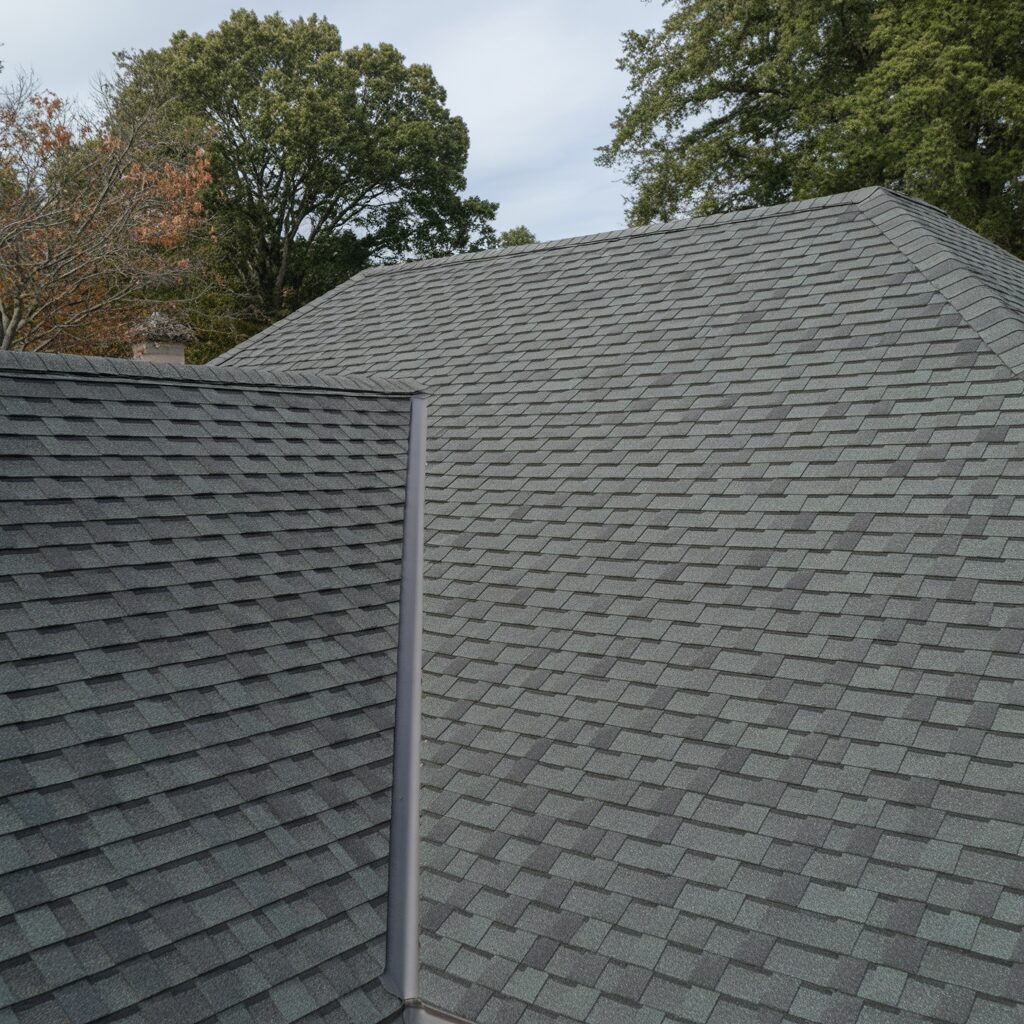
The right choice depends on a few factors, such as how long you plan to live there, the climate, and the roof structure.
How Long You Plan to Stay
Sometimes, the goal isn’t to get the most out of your investment. Homeowners who want to sell their home in the near future don’t need to overinvest. For example, homeowners are planning to sell their home in 7 years. Their goal is to improve the resale value without overspending. Architectural asphalt shingles are a perfect choice for their needs.
Climate
The weather conditions have a huge impact on the decision. Heavy rain leads to faster wear. Strong storms can cause physical damage, lifting or tearing shingles. Asphalt shingles absorb heat, raising the cooling bills.
Metal and clay don’t absorb heat, making them ideal for hot climates. Metal and asphalt work well in colder climates.
Budget
The budget is a major concern for many. However, don’t focus only on the upfront cost. Think of the lifetime cost of your roof. Cheaper roofs may become more expensive when you sum up replacements, repairs, and energy use.
Roof Structure
The existing roof structure may not handle heavy material. So you may need to do reinforcements, which can add up to thousands to your budget. Before starting, make sure to check the weight capacity of your structure.
Maintenance
Regular maintenance adds to the cost of roofing materials. Metal and tile may be the most expensive options, but they save you time, stress, and service calls later.
Energy Efficiency
The roofing material impacts the energy efficiency of your home. If the material absorbs heat, your AC will struggle to maintain a comfortable temperature. This increases the energy bills.
Final Thoughts
Choosing the right roofing material isn’t only about cost and appearance. The longevity, resistance to weather conditions, and maintenance needs also matter for homeowners.
If you’re still in doubt about the right roofing materials, our professionals can assist. We helped many homeowners make a choice that matters. Contact us now!