


If you want to build a deck in Virginia, you will need to choose between Composite vs Wood materials. We get it, that is not an easy decision. This is what you need to know! Composite decking is made from recycled plastic and wood fibers. Its materials are especially designed to stand humidity, rain and even temperature changes. This type of decking is not prone to warping or rotting and can easily last up to 25-30 years. This is much longer than wood.
Wood decking looks beautiful and is also cheaper. It needs regular staining and sealing to prevent it from fading or decay. If you want durability and low maintenance, composite decking is for you because that is a better long term choice. The composite decking market is also growing fast and more homeowners are opting for it, showing that Composite vs Wood decisions are becoming more common across Virginia.
What Is Composite Decking?
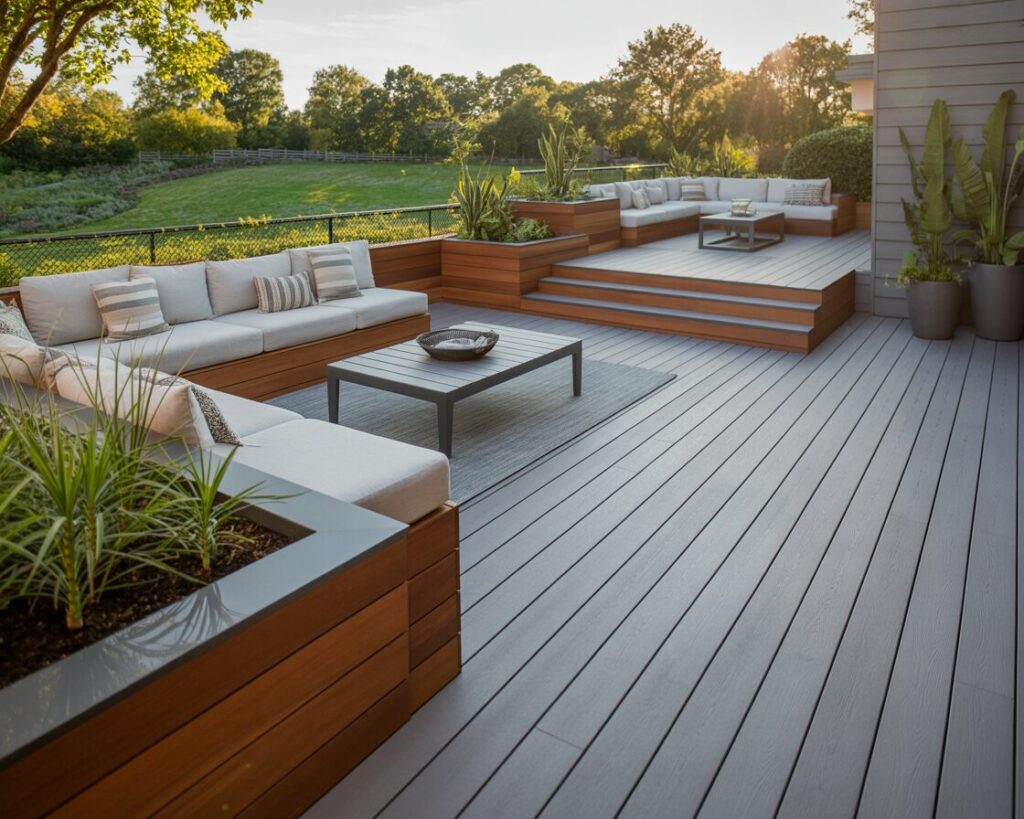
Composite decking is made from a mix of recycled plastic and wood fibers, forming a strong and long-lasting material that doesn’t need much upkeep. It’s designed to handle moisture, heat, and freezing temperatures without warping or splintering. The boards are uniform in shape and color, giving your deck a smooth, modern look that stays that way for years. You won’t have to stain or seal it, and cleaning it with mild soap and water now and then usually does the trick.
What Is Wood Decking?
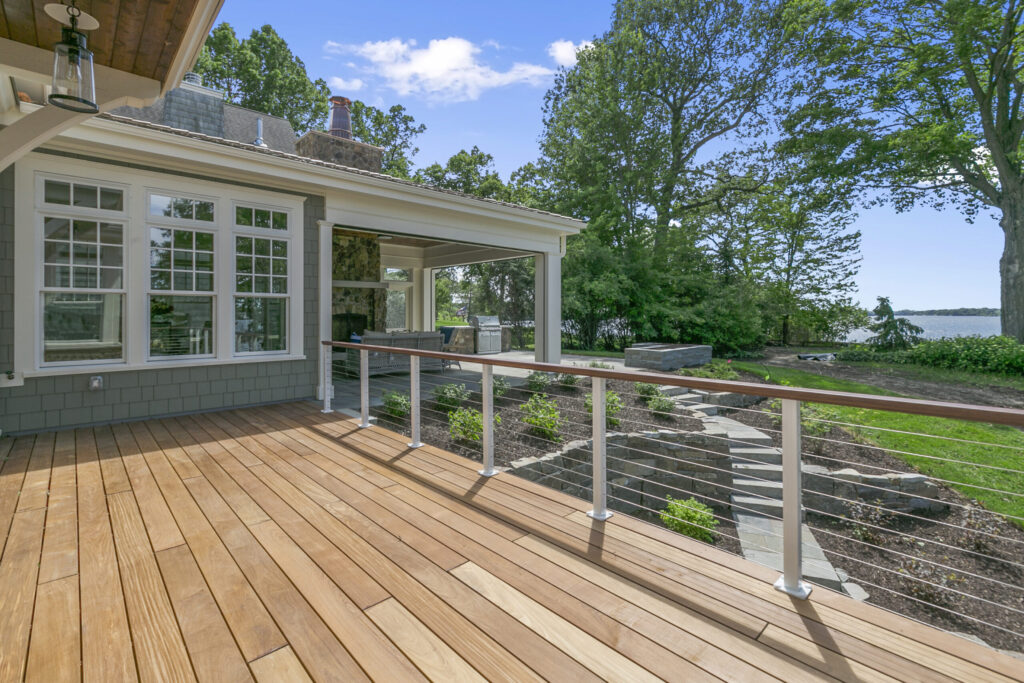
Wood decking is the traditional choice and often made from materials like cedar, redwood, or pressure-treated lumber. It gives your deck a warm, natural look that many homeowners love. However, wood needs regular maintenance to stay in good shape. Over time, exposure to rain, humidity, and sunlight can cause it to fade, crack, or rot if it’s not properly sealed. Composite vs Wood performance really depends on how much care you’re willing to give.
Durability and Lifespan
Composite vs Wood durability shows a clear difference. Composite decking lasts longer and stands up better to Virginia’s weather. It’s resistant to insects, moisture, and decay, things that can quickly wear down natural wood. A well-built composite deck can last around 25 to 30 years with minimal maintenance.
Wood decking, on the other hand, generally lasts 10 to 15 years if cared for properly. Without regular sealing, cleaning, and repairs, it can deteriorate much faster. In areas that see heavy rain, snow, or humidity, wood tends to age quicker and lose its strength over time.
Maintenance: How Much Work Is Involved?
Composite decking is easy to live with. You don’t have to sand, stain, or seal it, just clean it occasionally to keep it looking new. For homeowners who prefer to spend time relaxing on their deck rather than maintaining it, composite is a clear winner.
Wood decking requires more effort. It needs cleaning every year and staining or sealing every couple of years. You’ll also need to watch for signs of rot, warping, or splinters. Skipping maintenance can quickly shorten its lifespan. Composite vs Wood maintenance differences are often the deciding factor for homeowners.
Appearance Over Time
Wood has a timeless, cozy look that never really goes out of style. But as it weathers, it can fade to gray, lose its smooth texture, and develop cracks. While some people love that rustic aged look, others prefer a cleaner finish.
Composite decking keeps its color and texture far longer. Modern composite boards are designed to mimic real wood grain, so you get the natural beauty of wood without dealing with fading, splinters, or stains. Even after years of use, it still looks neat and polished. Composite vs Wood aesthetics often come down to personal taste.
Cost Over Time
Upfront, wood decking usually costs less to install. But the ongoing costs for maintenance, like sealant, stain, and repairs, add up over the years.
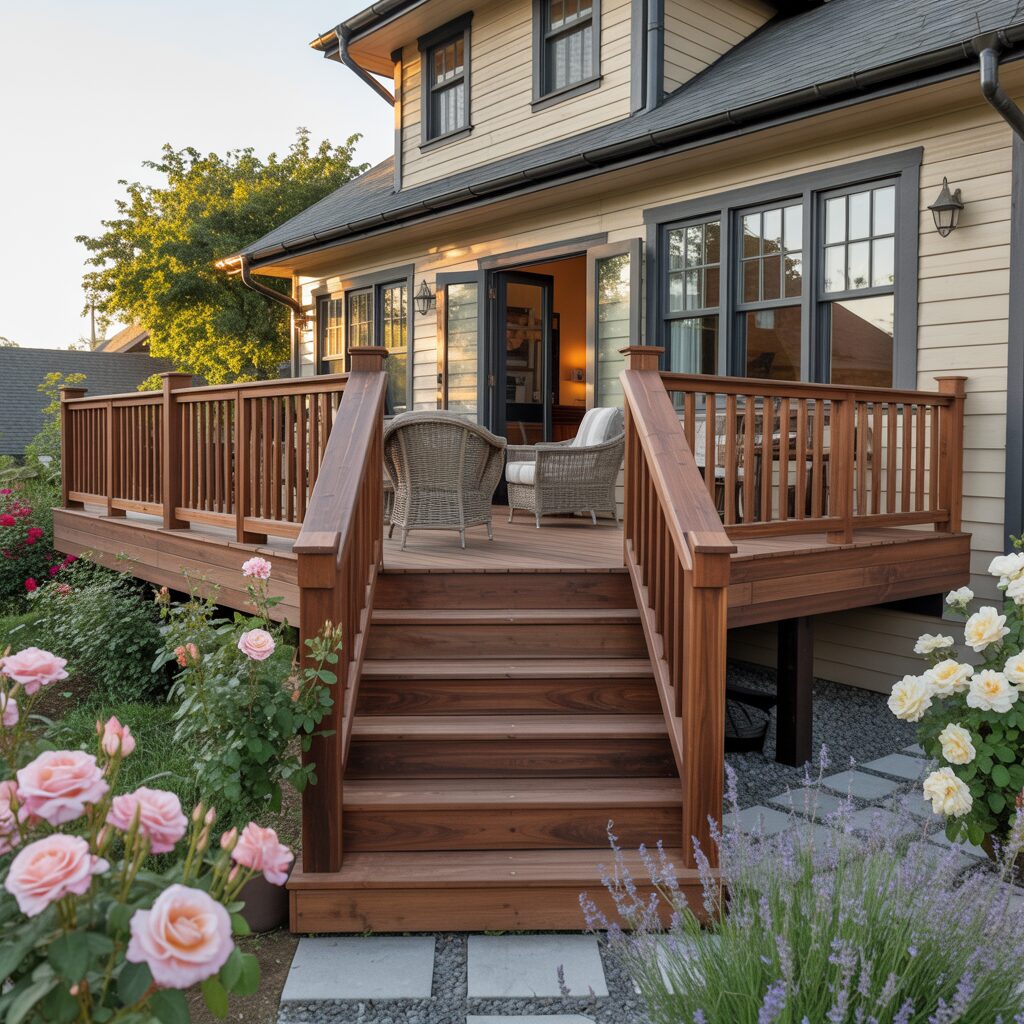
Composite decking is more expensive at first, but since it doesn’t need much upkeep, it often turns out to be the more affordable choice in the long run. You pay more in the beginning but save time, effort, and maintenance costs over the next couple of decades.
Environmental Impact
Wood decking is made from natural resources and can be recycled or repurposed; however, tree harvesting and chemical treatments have their downsides.
Composite decking is made from recycled materials, which helps reduce waste. While it’s not biodegradable, its long lifespan means less replacement and less waste overall. If you’re looking for something sustainable that also lasts, composite decking is the better option.
What Works Best for Virginia Homes?
Virginia’s weather throws a bit of everything at homeowners, sweltering summers, humid springs, and freezing winters. All that changing moisture and temperature can take a toll on outdoor decks. That’s why composite decking often outlasts traditional wood here. It doesn’t absorb water, swell, or rot, which means fewer repairs after rain or snow. Composite decks also keep their color and shape much longer, even under constant sun and temperature swings.
However, if you love the natural beauty and texture of real wood, it can still be a great choice, as long as you’re ready for some regular upkeep. Staining, sealing, and cleaning help preserve its warm, classic look for years. Ultimately, composite decking is the more practical choice for Virginia’s unpredictable climate, while wood remains the favorite for homeowners who appreciate its timeless charm and are willing to put in the necessary maintenance work.
Final Thoughts
Choosing between composite and wood decking really depends on your lifestyle and how much maintenance you’re willing to handle. Composite decking is the practical, long-lasting option for Virginia’s changing weather, it stays strong and stylish with little effort.
Wood decking, while more high-maintenance, offers a natural beauty that appeals to homeowners who enjoy the traditional look.
If you want a deck that lasts through every season with minimal fuss, composite decking is the smarter investment. But if you appreciate the charm of natural materials and don’t mind a bit of upkeep, wood decking can still be a beautiful choice for your home. When comparing Composite vs Wood options, the right choice depends on your priorities—appearance, longevity, and upkeep.
Ready to start your decking project? Contact us today to schedule a free consultation and learn more about our decking services in Virginia. You can also explore our decking service page to see how our team brings Composite vs Wood designs to life for every style and budget. Don’t forget to visit our project gallery for real examples of our completed decks and outdoor living spaces.