


After a severe thunderstorm passes, many homeowners are left trying to determine what, if any, damage their roof may have sustained.
Hailstones may strike with a high degree of force while powerful gusts lift and twist shingles at the same time. After the storm passes, the roof might look mostly intact from the ground, yet hidden issues could still exist.
Understanding the difference between hail damage to roofs and wind-related damage helps homeowners know what to look for and when to call for a professional inspection. Each type of storm damage affects roofing materials differently, which can influence repair decisions, insurance claims, and long-term durability.
Hail Damage Roof Signs Homeowners Should Know
Hail causes impact damage, so instead of lifting shingles off the roof, hailstones strike the surface and leave small impact marks scattered across the roof. Asphalt shingles tend to show several recognizable clues after a hailstorm.
Round Impact Marks or Dark Spots
One common sign of hail damage is a series of circular marks where protective granules have been dislodged, leaving darker patches that reveal the asphalt beneath the shingle surface.
Unlike wear caused by aging, hail strikes usually appear in random patterns rather than in straight lines or uniform areas.
Bruised or Soft Shingles
Some hail-damaged shingles look intact at first glance. A closer inspection may reveal soft spots where the impact compressed the shingle material.
Roofers sometimes describe the feeling as similar to pressing on a bruised apple. Over time, those weakened areas may crack or allow moisture to penetrate the shingle surface.
Cracks Around Impact Points
Large hailstones can fracture the shingle surface or create small cracks that spread outward from the strike point. These cracks may reduce the lifespan of the roofing system because water can more easily reach the underlying layers.
Supporting Evidence on Metal Surfaces
Roofers often look beyond the shingles themselves when identifying hail-damaged roof patterns. Softer metal components frequently show dents after a storm.
Common signs may include:
- Dented roof vents or flashing
- Marks on chimney caps
- Dings in metal gutters or downspouts
- Small dents on skylight trim
- Damage to outdoor HVAC fins
When impact marks appear across multiple materials on the property, the evidence often points to hail rather than normal aging.
How Wind-Damaged Shingles Look Different
Wind affects roofs in a completely different way. Gusts lift the edges of shingles, weaken adhesive seal lines, and, in severe cases, tear shingles away from the roof entirely.
Damage caused by wind often appears in directional patterns, usually following the direction of the storm’s path.
Lifted or Raised Shingle Edges
Strong winds can pry up the lower edges of shingles. Even when shingles settle back into place afterward, the adhesive seal that once held them down may have broken.
Broken seal bonds allow future winds to lift the shingles again, potentially leading to progressive damage over time.
Crease Lines Near the Shingle Edge
Repeated lifting during a storm can create narrow crease lines along the top portion of the shingle tab. Any creasing weakens the underlying shingle and increases the chance that it may tear during future storms.
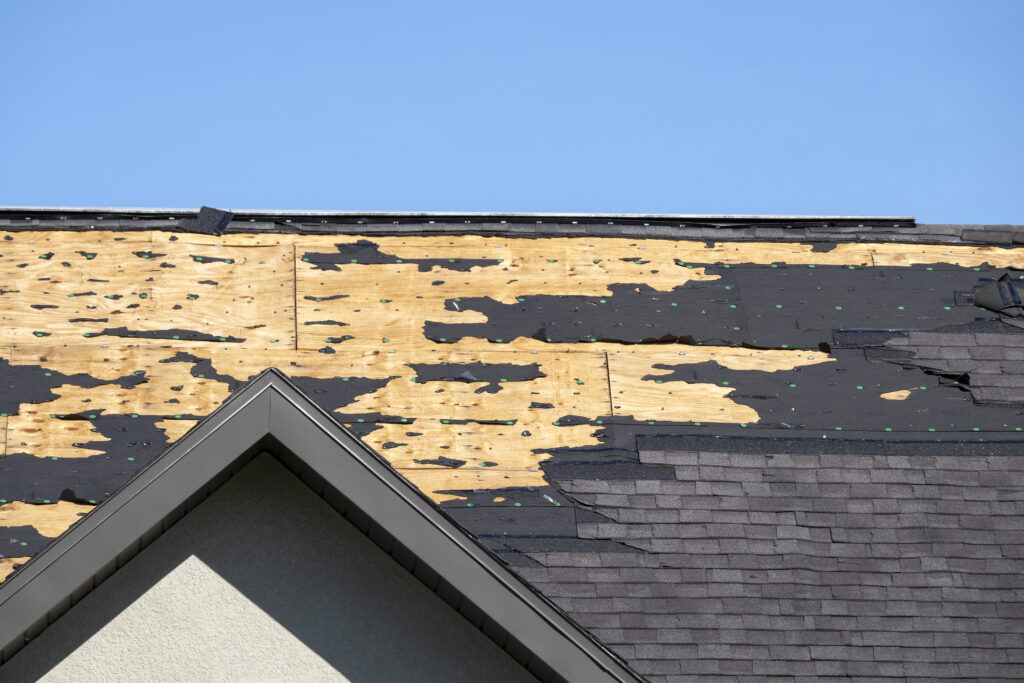
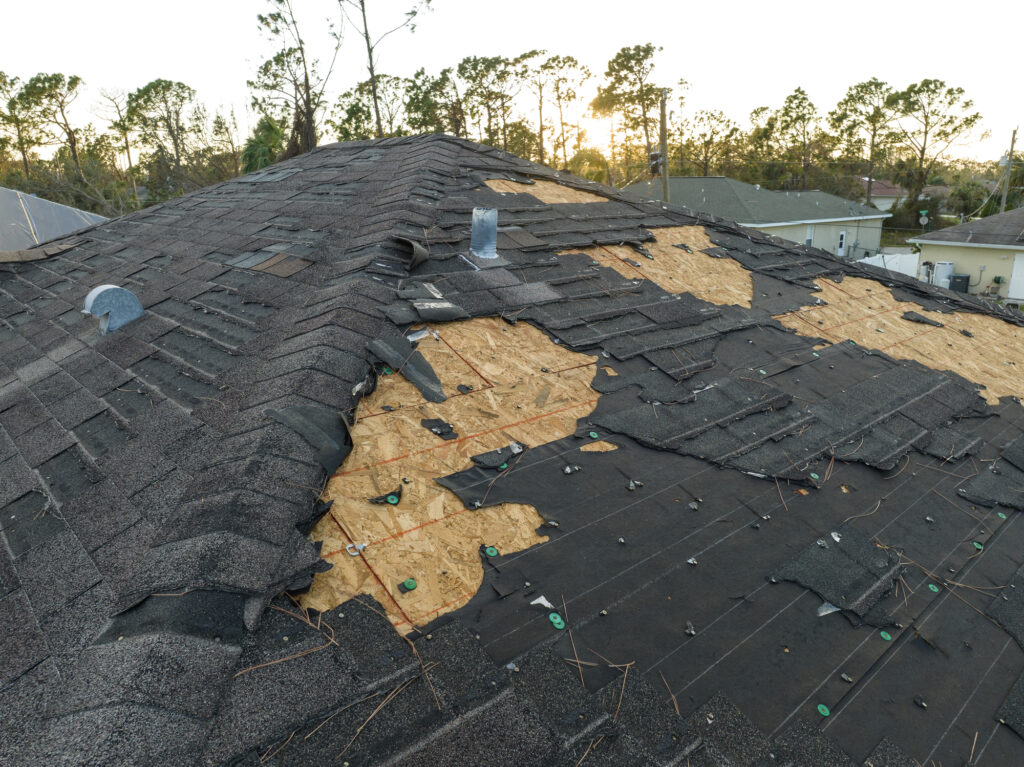
Missing Shingles or Exposed Underlayment
High winds sometimes remove shingles entirely. When that happens, the dark protective underlayment becomes visible beneath the missing sections.
Areas near the roof edges, ridges, and hips often show wind damage first because those locations experience the strongest uplift forces.
Damage to Roof Components
Wind events may also affect surrounding roof parts, such as:
- Ridge caps or hip shingles pulled loose
- Bent or cracked flashing
- Damaged ridge or soffit vents
- Torn shingles along eaves or edges
Homeowners who notice wind-damaged shingles after a storm should consider having the entire roof inspected, since damage often extends beyond the first visible area.
Why Some Roof Damage Is Hard To Identify
Several common roofing conditions can resemble storm damage, even when no storm occurred. For example, a pile of granules in the gutter or dark spots on shingles doesn’t always mean that hail struck the roof.
Granule loss gradually occurs as shingles age and weather. Factors such as manufacturing imperfections, algae staining, blistering, or general wear can create similar visual patterns.
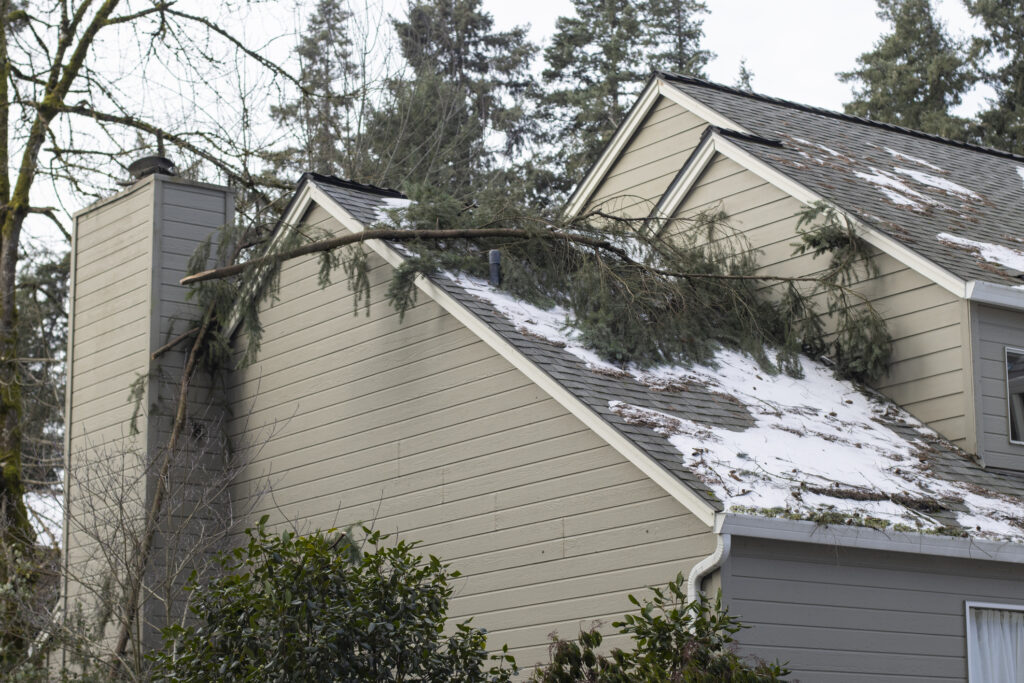
Storm damage can also remain hidden for months. Impacts from hail may weaken the shingle mat beneath the surface, while lifted shingles from wind may fail later when another storm arrives.
Ground-level inspections rarely reveal these hidden problems, but professional roofers examine shingles up close and may check the areas beneath them when needed. That detailed evaluation often reveals whether the damage came from weather, aging, or another cause.
What To Do After A Major Storm
A calm, organized response helps prevent any small problems from turning into more expensive repairs. Homeowners who suspect roof damage after a severe storm can follow several practical steps.
Check The Property From The Ground
A quick walk around the house may reveal any immediately visible issues. Check for fallen shingles, dents in the gutters, and scattered debris collecting along the edges of the roof.
Binoculars can help spot missing shingles from a safe distance. Climbing onto the roof should be avoided, especially after storms when surfaces may still be wet or unstable.
Document What You See
Photos of visible damage can help during the insurance claim process for the roof. Capturing images of dents, missing shingles, or fallen debris may provide helpful documentation later.
Prevent Further Damage
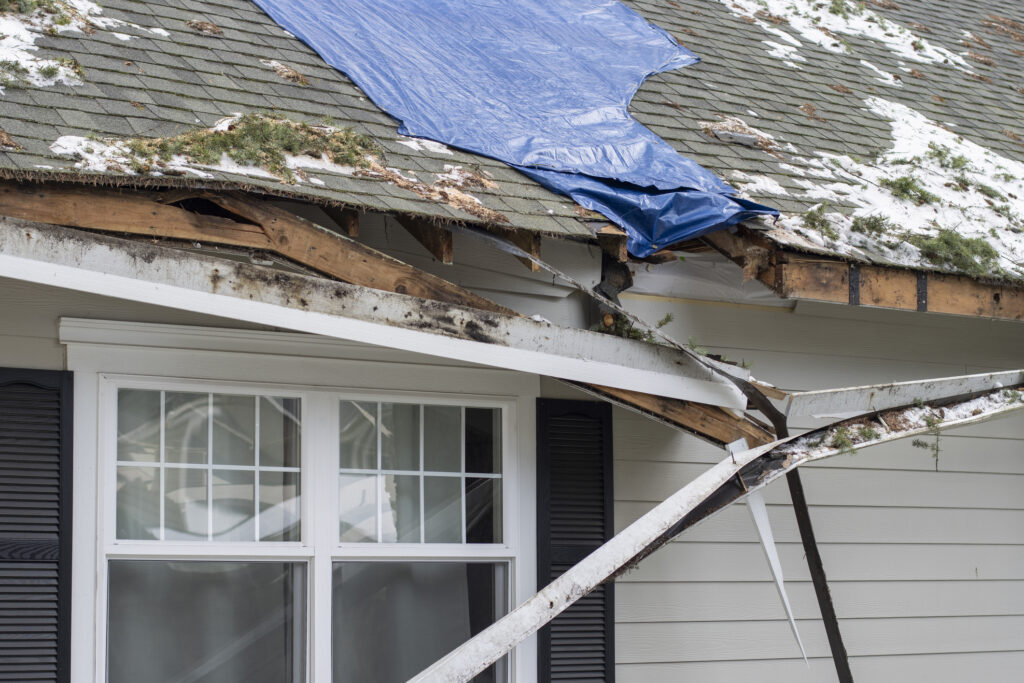
Taking temporary measures, such as covering exposed areas with waterproof materials, may help limit water intrusion until professional repairs are arranged.
Receipts for emergency repairs should be saved in case insurance reimbursement becomes part of the process.
Schedule A Storm Damage Roof Inspection
A professional inspection of storm damage to the roof provides the clearest picture of what actually happened. Experienced contractors examine shingles, flashing, ventilation, and surrounding materials to determine the scope of the damage.
A thorough inspection can also help homeowners decide whether filing an insurance claim makes financial sense based on the estimated repair cost and deductible.
Considering Roof Repair After Storm Damage vs. Replacement
Storm damage doesn’t always require a full roof replacement. The type and extent of damage play a major role in determining the right approach, as minor leaks or missing shingles may only require repairs, while significant structural damage may necessitate a full replacement.
Situations Where Repairs May Work
Localized wind damage sometimes affects a limited area of the roof. If the shingles remain structurally sound, a roofer may repair the affected section or reseal lifted shingles.
If only a small area has been affected, minor repair work may be sufficient to return the roof to proper condition.
When Roof Replacement After Hail Becomes More Likely
Widespread impact marks across several of your roof’s slopes often indicate more serious hail damage. Once shingles become punctured or fractured, their ability to shed water may decline.
In those situations, roof replacement after hail damage may offer a more dependable long-term solution than patching scattered impacts. A knowledgeable contractor can assess the roof’s condition and walk through the advantages and drawbacks of repairing it versus replacing it.
Schedule a Professional Hail Damage Roof Inspection
Hail and windstorms affect roofs in very different ways: random impact marks may indicate hail damage to the roof, while lifted or missing shingles often signal wind damage. Many storms in the area produce a combination of both.
Early inspection helps identify problems before they develop into leaks or larger structural concerns. A professional inspection can help determine whether simple repairs will be enough or whether the roof requires more substantial work.
Homeowners in Northern Virginia who suspect storm damage can contact Noverra Exteriors to schedule a roof inspection for their home. A knowledgeable evaluation with our team provides clear answers, practical repair options, and guidance on the next steps for protecting your home after severe weather occurs.